
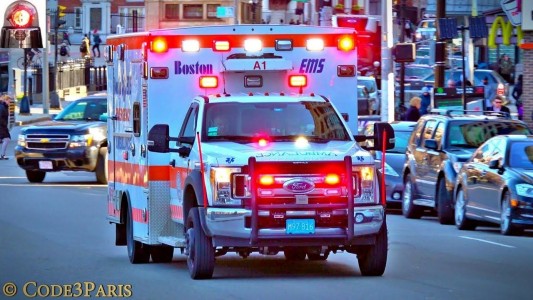
Loud sirens from emergency vehicles disrupt city streets. They break the peace, interrupt deep focus, and harm our physical health. Many people experience sharp stress when these sounds pierce their quiet neighborhoods. We must address this challenge. We need clear solutions that benefit drivers, emergency responders, and the local community.
Educating emergency vehicle drivers about the effects of their sirens is a vital first step. These professionals must respond fast to emergencies. Still, understanding how their actions affect citizens leads to better driving habits. Drivers can learn the best times to activate their sirens. They can navigate faster routes and minimize disturbances while keeping response times fast.
Technology offers exciting new possibilities. Engineers can build quieter sirens or test new visual warning systems. These tools lessen the loud sounds but still alert others to the vehicle. This shift allows emergency responders to do their jobs well. It also builds a quieter and healthier local environment.
Awareness campaigns improve public understanding of the challenges emergency workers face. By sharing real experiences, communities build a culture of shared empathy. Open discussions invite valuable feedback on the daily impact of sirens. This feedback drives real improvements based on local voices and needs.
We must review and update the rules governing emergency vehicle operations. Engaging community members and local groups will help create smart guidelines. These new rules will reflect the actual needs of our neighborhoods. By taking these steps, we reach a clear balance. We protect rapid emergency responses while respecting the rights and health of everyone in the community.