
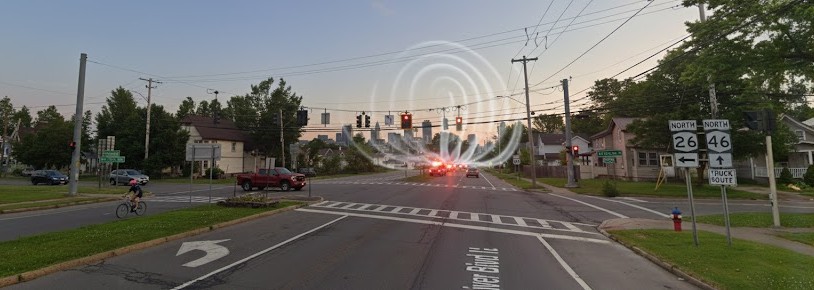
Emergency sirens represent a significant source of institutional noise pollution in modern cities, and standard sirens produce about 110 decibels, which is twice the level that causes mental stress. While sirens help trucks move through congested traffic, using them in residential areas causes a real health toll on the public that must be addressed. A good emergency response plan must balance the need for fast transit with the goal of protecting people from too much noise overexposure. Failing to update these old rules ignores the long-term health impact on the communities served by these public safety agencies.
Loud sirens mostly affect fragile groups and people who are not protected by the acoustic insulation of a car, such as cyclists and pedestrians. For individuals with PTSD or high anxiety, sudden loud blasts can trigger fear and emotional stress that lasts for hours. Chronic exposure for the elderly can lead to poor sleep and elevated cortisol levels, which may cause heart problems or cognitive decline over time. These people endure the full impact of 110-decibel sound waves during their daily trips because they lack the protection of an automobile. Protecting these groups requires a shift from using sirens for every call to using them only when it is truly needed.
Medical research suggests that sirens only save a small amount of time during an emergency response, with gains usually ranging from 42 seconds to less than four minutes across most cities. This small gain in time rarely helps the patient in a big way, and the frequent use of sirens actually increases the risk of crashes for both the emergency vehicle and the public. Many agencies are moving away from responding with full volume for every call because they see that the safety risks of using sirens are often higher than the time benefits. Reducing siren use helps lower the city's risk while making things safer for both the responders and the residents.
Three-tiered plans allow cities to stay efficient while making the community quieter by sorting calls based on the medical severity of each case. Under this model, dispatchers do not use full lights and sirens for every single request, which helps maintain a lower noise baseline. Life-threatening crises still get a fast response using all warning tools, but calls that are not as big are handled in a "cold" way without sirens. This model ensures that loud sirens are only used for real crises, reducing unnecessary noise for the whole town during routine trips.
Better tools and training offer ways to cut down on noise right now, such as moving siren speakers lower on the truck to project the sound forward instead of to the sides. This change reduces the impact on people in nearby houses while still alerting motorists in front of the vehicle. Drivers trained in noise control can use short bursts or lower tones in low-traffic areas or late at night. New tools can also help, such as sirens that produce a physical vibration instead of a loud sound, and these tools allow helps to arrive safely while keeping the residential areas quiet.
Good city design also helps reduce the need for loud sirens by using things like speed cushions and narrower lanes to keep traffic moving at a steady pace. This makes it easier for emergency trucks to navigate the streets safely without the need for aggressive driving and loud warnings. Cities that use these designs achieve lower noise levels and better safety for all road users, which directly helps emergency services do their job with more ease. Investing in better infrastructure is a vital part of a responsive model of city management that respects the quietude of the residential landscape.
Cities that fail to address siren noise put the health of their residents at risk, but using better plans and newer tools are proven ways to help with this issue. These changes have very little impact on how many people are saved during an emergency, and moving toward a more careful use of sirens is a key step for a healthy and sustainable city. Public safety leaders and ambulance firms must adopt these new rules to stop the systemic harm that noise causes. This shift represents a commitment to professional work and community health for all members of the community.
Building a steady city requires changes in both safety and government to ensure that public services do not harm the stability of the residential environment. Mixing noise control with emergency work shows respect for the residents of the town, and leaders who protect the fragile by using better tools help ensure that public safety does not come at the expense of community health. A commitment to these standards marks the move toward a responsive model of city management where reducing noise is a vital part of institutional responsibility in the modern world.