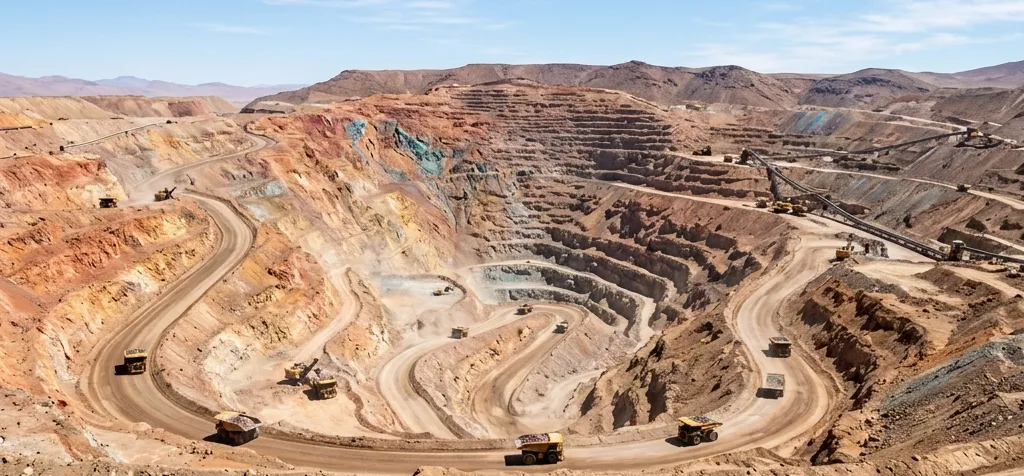
Every year, the global industrial economy rips roughly 100 billion tons of physical material out of the earth. Imagine a line of standard dump trucks bumper to bumper, each one carrying its full load of rock and dirt. That line would stretch from the earth to the sun and back, twice, every single [...]
If the public provides the raw material that powers artificial intelligence, the next step requires building a container to capture the value of that material. The previous argument established that machine learning models rely on human knowledge to function. The companies building the software [...]
Imagine a farming village situated at the bottom of a large mountain. For hundreds of years, every family in the village carries stones up the mountain path to build a massive reservoir. Grandparents carry stones. Their children carry stones. The reservoir collects rain that falls across the entire [...]
Walk into any grocery store today and you will feel the sharp pain of prices rising at the checkout counter. A dozen eggs costs more paper money now than it did five years ago. Ground beef costs more. Bread costs more. The receipt at the bottom of the bag carries a number that climbs higher every [...]
Mayor Zohran Mamdani recently launched a seventy million dollar initiative to establish a network of five municipal grocery stores across New York City, promising a thirty percent reduction in checkout prices. This highly publicized strategy attempts to solve systemic food insecurity by mimicking [...]
When a government decides it knows better than the market how to run the economy, it begins deciding who gets what, who works where, how much bread costs, and how much land a family may keep. This often begins with the stated intention of ending poverty and inequality forever. For most of the [...]
Understanding the anger defining modern public arguments requires looking at how the digital economy actually pays people. Over the past sixty years, the way we get our news flipped upside down. The powerful television networks that controlled information in the 20th century have collapsed. They [...]
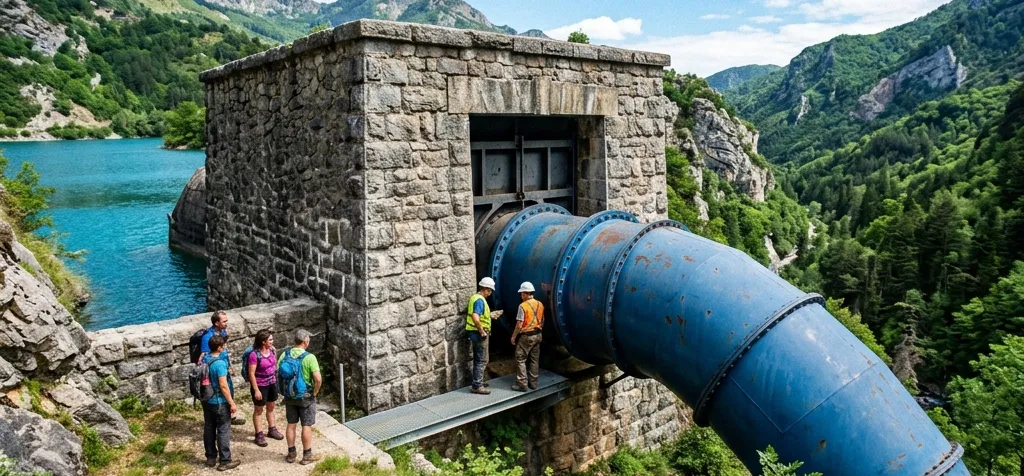
Every city in America maintains a water treatment facility. No one debates whether clean water is a "handout." The infrastructure exists because contaminated water is more expensive than clean water. The arithmetic of illness, lost productivity, and neglect eventually forces a reckoning no society [...]
For over 2,500 years, gold defined money. From the Lydian croeseid coin to the Bretton Woods system, gold anchored trust, trade, and sovereignty. Within a single century, it became labeled a “barbarous relic” and dismissed as a “pet rock.” In January 2026, gold surged past $5,500 per ounce, [...]
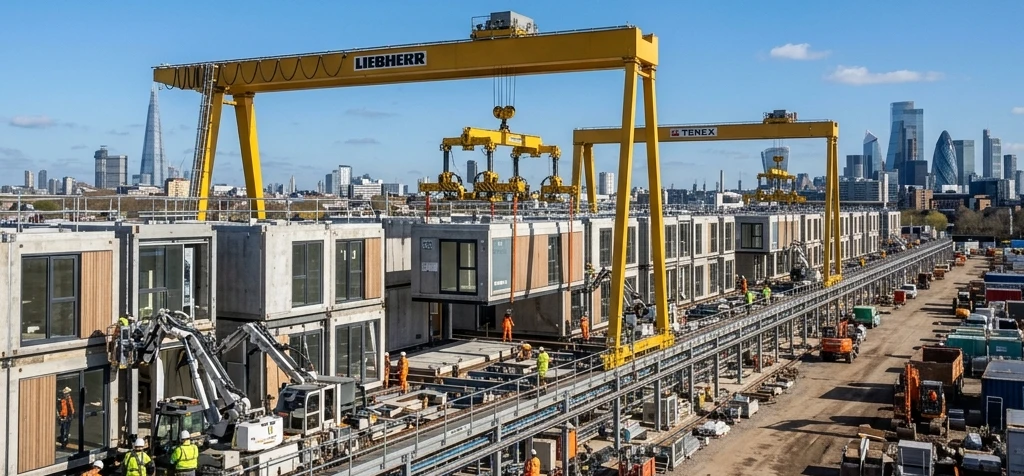
The modern housing market functions as an open-loop system. It exhibits a primary contradiction. Shelter exists simultaneously as a speculative asset and a biological utility. This Asset/Utility Dichotomy forces the governance layer to manage two competing sets of variables. In most high-entropy [...]
This is Part 6 of 7 in the Moral Physics series. We explore the intersection of objective natural laws, cliodynamic patterns, and the individual path to sovereignty during institutional failure. You can start the series at the foundation here. The Limits of Complexity Modern institutions fail as a [...]
Historical patterns of technology identify a principle known as the Jevons Paradox. Originally observed by William Stanley Jevons in 1865 regarding coal consumption, this paradox suggests that as a resource becomes more efficient to use, the total consumption of that resource increases. This occurs [...]