
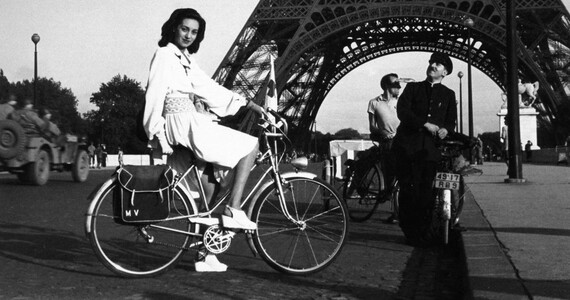
Setting out upon the road with a loaded bike offers a freeing way to see the world. By trading consumer noise for two wheels and a pair of bags, a rider rediscovers travel at a human pace. Every pedal stroke connects the traveler with changing skies, winding valleys, and the physical shape of the earth. Viewing landscapes from the bicycle saddle brings pine scents, ocean salt, and mountain air straight into each day. This modest living strips away needless gear. It creates room for warm encounters with local people. The road transforms journeying from a tourist rush into an ongoing school of self-reliance.
Finding the right terrain is vital for the self-supported bikepacker seeking steady adventure on a modest budget. The ideal cycling haven combines fair weather, scenic beauty, low living costs, and warmth toward strangers. When riders choose welcoming regions, they can stretch modest savings across months of peaceful travel without money strain. Across the globe, distinct regional pockets offer quiet roads, wide networks of dirt trails, and unhurried village life. These havens provide friendly ground where long-distance touring becomes an enduring lifestyle. Exploring these destinations reveals that true freedom on two wheels is both attainable and deeply healing.
Balkan Horizons and Eastern European Trail Networks
Eastern Europe and the Balkan peninsula boast great terrain for adventurous cyclists seeking budget-friendly travel. In Albania, rugged coastal tracks along the Ionian Sea climb into limestone valleys within northern peaks. The ancient Albanian code of Besa means that rural villagers welcome passing cyclists with hospitality and fresh food. Further east, Romania offers timeless riding across Transylvania, where dirt paths wind through old oak woods and Saxon towns. The Carpathian foothills provide low-traffic riding, cheap country guesthouses, and a rich tradition of family farming. In the Czech Republic, an extensive network of marked cycling routes connects old castles with riverside orchards.
Moving toward the Julian Alps, Slovenia presents a rich tapestry of emerald rivers, clean mountain passes, and dense beech woods. The country combines Western European bike routes with the quiet charm of a small mountain nation. Cyclists can pedal from alpine meadows to coastal olive groves within a lone day of scenic riding. Well-kept secondary roads and dedicated cycle tracks allow riders to tour in peace through quiet valleys. Village bakeries, pure mountain water taps, and inexpensive public campgrounds make independent travel easy and fun. Slovenia shows that compact geography can deliver world-class variety for the nomadic traveler.
Iberian Sanctuaries, Mountain Valleys, and Caucasian Trails
Southern Europe and the Caucasus mountains harbor legendary routes that draw long-distance riders during cooler autumn months. The rolling cork oak plains of the Portuguese Alentejo give way to ocean cliffs along the Atlantic Coast Route. Portugal ranks among the safest nations on earth, offering affordable wine, fresh seafood, and gentle roads for cycling. Across the border in Andalusia, southern Spain provides sunny winter skies, high climbs in the Sierra Nevada, and white hill towns. The Spanish tradition of evening tapas offers cheap food after long mountain climbs. Riding through these historic landscapes allows bikepackers to escape cold northern winters in comfort.
At the crossroads of Europe and Asia, the Republic of Georgia offers high dirt routes through the Greater Caucasus mountains. Stone watchtowers rise above remote valleys where mountain passes remain unpaved and wild. Georgian culture treats every traveler as an honored guest, offering warm bread, cheese, and homemade wine in high hamlets. Across the globe in the Colombian Andes, the lush coffee region around Salento delivers green volcanic mountains and tropical air. Riding between tall wax palms and misty cloud forests provides exciting challenges on quiet dirt tracks. In Colombia, abundant fresh fruit, cheap family diners, and cheerful local cyclists make mountain riding a joy.
Asian Wonder, Roadside Hospitality, and the Open Horizon
Asia provides wonderful sanctuaries for nomadic cyclists who crave dramatic landscapes and hospitable rural societies. In northern Vietnam, limestone towers in Ha Giang and Cao Bang rise above terraced green rice paddies. The legendary Ha Giang Loop guides riders along winding mountain ledges with sweeping views of deep river canyons. Exceptional low costs, savory noodle soups, and homestays with village families create rich cultural memories. Further east, the island of Taiwan offers world-class cycling routes, including dedicated cycle paths circling the whole coast. Taiwanese towns welcome touring cyclists, providing free water, bike tools, and camping space at rural police posts.
Choosing a life of self-supported bicycle travel is at heart a commitment to curiosity, grit, and personal freedom. These ten regions show that the world remains wide, welcoming, and open to anyone willing to pedal forward with an open mind. Traveling light teaches cyclists to tell apart true necessities and burdensome gear, building deep gratitude for humble gifts. A bowl of hot soup in a mountain village, a dry spot for a tent, and a warm smile become moments of pure grace. The open road invites wanderers to step away from noise and discover the quiet beauty of the living earth. With two wheels, a reliable tent, and a humble heart, the road to adventure remains wide open.
Archival resources and regional fieldwork guides preserve documentation for these global destinations. Travelers can consult dedicated fieldwork archives for Northern Vietnam, coastal and mountain trail logs across Albania, Andean mountain pass surveys throughout Colombia, Transylvanian pastoral corridors in Romania, and high gravel routes across Georgia.
Additional documentation covers Atlantic coastal circuits through Portugal, island-wide cycling paths across Taiwan, Mediterranean mountain passes in Spain, alpine trail corridors within Slovenia, and countryside networks across the Czech Republic.