
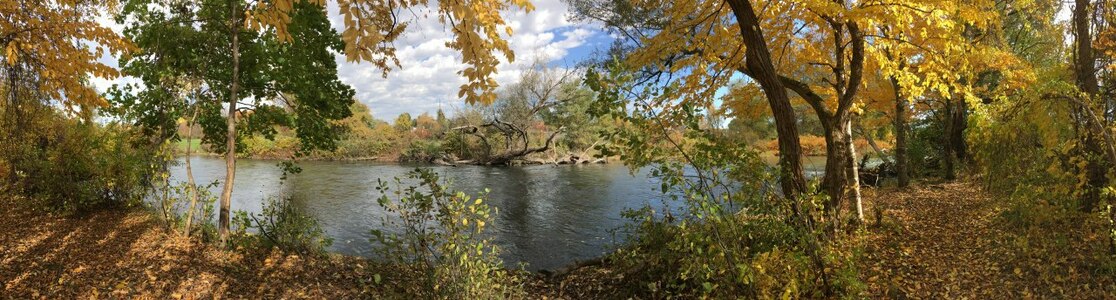
The act of inhabiting natural spaces, whether for a night or a season, beings with a single, critical decision: where to stop. In the modern world, habitation is dictated by property lines and zoning laws, but in the outdoors, it is dictated by the landscape itself. The selection of a site is not merely a matter of convenience; it is a strategic negotiation with the environment that determines safety, comfort, and ecological impact. It requires a shift in perspective from conquering the land to integrating with it.
A proficient outdoorsman reads the terrain like a text. The first paragraph of this text is safety. A visually stunning overlook might be exposed to high winds that strip away body heat. A lush, flat riverbank might be a flood zone or a cold air sink where temperature drops significantly at night. The ideal location often lies in the "military crest" of a hill or a protected grove that offers shelter from the elements without posing the risk of falling branches. This strategic assessment prevents the majority of common outdoor emergencies before they can develop.
Beyond safety, the selection of a site is an exercise in resource management. Proximity to water is a classic requirement, but it must be balanced against the insect activity and dampness that accompany it. Firewood, if a fire is planned, must be abundant enough to gather without stripping the immediate area bare. The ground itself must be conducive to sleep; a slight slope can be managed, but rocky or root-filled terrain depletes energy reserves that are needed for the next day's travel. This logistical calculation, performed daily, sharpens the mind and connects the traveler to the physical realities of their existence.
However, the most subtle and perhaps most important aspect of site selection is ethical. To live outdoors is to be a guest in a fragile ecosystem. The concept of "Leave No Trace" is not just a slogan but a rigorous operational standard. It involves choosing established campsites to concentrate impact rather than creating new scars on the land. It means camping on durable surfaces like rock or gravel rather than crushing delicate vegetation. The goal is to pass through the landscape like a shadow, leaving it exactly as it was found, if not better.
Understanding the local environment provides the context for these decisions. A site that is perfect in an arid desert might be disastrous in a temperate rainforest. Knowledge of local flora and fauna allows the camper to avoid poisonous plants and animal corridors. It turns the outdoors from a generic backdrop into a specific, living system that must be respected. This knowledge is the difference between a tourist who survives the outdoors and a traveler who thrives in it.
The preparation for emergencies is the final layer of this strategy. Even the best site can be comprised by sudden weather changes or injury. A well-chosen location includes escape routes and natural resources that can be utilized in a crisis. It is a defensive perimeter against the unpredictable nature of the wild. This readiness is not born of fear, but of a healthy respect for physics and biology.
Ultimately, the ability to select a site and live within it efficiently is a foundational skill of the outdoor life. It transforms the wilderness from a hostile chaos into a structured home. It fosters a sense of stewardship and belonging that is difficult to replicate in the built environment. When done correctly, it allows the traveler to enjoy the natural world not as a conqueror, but as a competent and respectful participant in the ancient rhythm of the earth.