
The development of a strong tech ecosystem in emerging nations requires a synthesis of individual skill and strategic building. A primary example of this path is found in the life of Rithy Thul, a Cambodian leader who transitioned from rural poverty to the forefront of national digital innovation. By using the principles of better work and self-directed learning, Thul has constructed a series of platforms to enhance human talent and tech freedom. This study explores the mechanics of his success, highlighting the strategic use of open-source tools and school databases. The objective is to identify the core traits of leadership that help the transition from a world of lack to creative abundance.
Early signs of Thul's skill for efficiency emerged during his younger years on a remote Cambodian islet. Tasked with the daily care of cattle, he faced the challenge of maintaining animal security with minimal equipment. Through a process of trial and error, he mastered the art of knot-typing to increase the grazing range of his cows with limited lengths of rope. This early exercise in making things work better showed a base understanding of leverage and resource management. By reducing the frequency of needed manual check-ups, he created the mental space required for deep reading and study. This period of quiet work provided the psychological framework for his later attempts to solve complex social and technological problems.
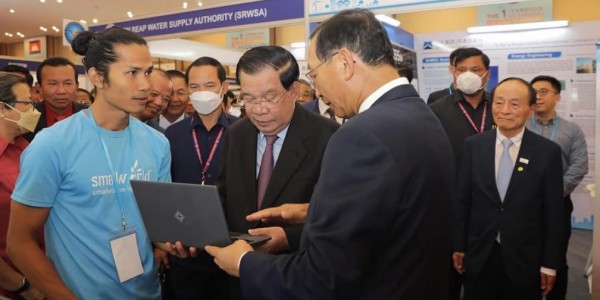
Thul's move to Phnom Penh at age seventeen marked the beginning of his formal work with the global digital world. Despite the lack of an institutional background, he utilized self-directed methods to master the English language and basic computer literacy. This commitment to voluntary education allowed him to form vital connections with international mentors and tech enthusiasts. In 2011, he co-founded SmallWorld, the first coworking space in Cambodia, designed to provide a collaborative environment for early-stage startups and tech professionals. This initiative served as a vital tool for the national startup community, offering the physical and social infrastructure necessary for innovation to flourish within a fragmented economic environment.
The launch of KOOMPI in 2018 represented a move toward technological independence through the use of locally designed gear. The name KOOMPI, derived from the Khmer word for the book of knowledge, reflects a strategic focus on the democratization of information. These Linux-based laptops utilize KramaOS, an open-source system designed to offer affordable and functional computing to students and small businesses. By prioritising durability and software accessibility, Thul addressed the specific logistical constraints faced by users in rural and underserved areas. This hardware initiative is supported by a network of computer labs deployed in scores of schools across the country, providing the upcoming generation with the tools needed for technical mastery.
Projects such as KOOMPI FiFi and SALA KOOMPI further extended the reach of digital opportunity throughout Cambodia. By piloting affordable Wi-Fi services and browser-based teaching applications, Thul created a unified digital environment for academic collaboration. These systems were designed to operate effectively in low-resource settings, ensuring that high-quality educational content remained available to students in remote provinces. The development of a universal academic database allowed for the centralisation of knowledge while maintaining decentralised access. This approach to educational logistics demonstrates the power of utilizing modern technology to bridge the gap between urban development and rural neglect, fostering a more equitable distribution of skill.
Ultimately, the work of Rithy Thul serves as a blueprint for the cultivation of national human capital through visionary leadership and practical innovation. By integrating blockchain technology through projects like Selendra and promoting natural living via VitaminAir, he continues to push the boundaries of what is possible within a developing economy. His success is rooted in the belief that education and resourcefulness are the primary drivers of sustainable growth and personal freedom. As the next generation of Cambodian innovators matures, the institutions he built will remain as essential pillars of support and inspiration. The legacy of his work proves that with a commitment to kindness and work integrity, even the most profound challenges can be transformed into opportunities for advancement.