
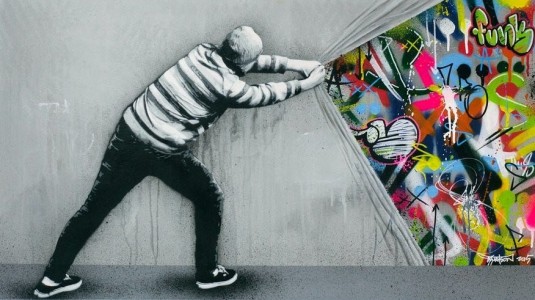
Graffiti appears on walls, bridges, and buildings across urban landscapes worldwide. Understanding why individuals habitually spray paint graffiti requires examining multiple psychological, social, and environmental factors that drive this behavior. The motivations prove far more complex than simple vandalism or defiance.
Peer influence plays a significant role in graffiti behavior. Young people often enter graffiti culture through friends or associates already involved. Peer pressure creates incentive to participate, while belonging to a graffiti crew provides social identity and acceptance. The group dynamics reinforce continued participation, as members gain status through their work and dedication to the craft.
Expression and identity formation drive many graffiti artists. For some individuals, graffiti serves as primary form of self-expression in environments where other outlets remain scarce. Tagging names or creating elaborate pieces establishes presence and identity within urban spaces. Graffiti subcultures develop distinct styles, techniques, and codes that members use to communicate and establish reputation.
Thrill-seeking and risk-taking attract certain personalities to graffiti. The illicit nature of unauthorized painting creates adrenaline rush. Evading detection, working quickly under pressure, and successfully completing pieces in dangerous or highly visible locations provides excitement that some individuals crave. This element of danger becomes part of the appeal rather than deterrent.
Social environment significantly influences graffiti behavior. Neighborhood characteristics, social norms, and exposure to graffiti-rich environments shape whether individuals engage in this activity. Areas with visible graffiti normalize the behavior, making it seem acceptable or even expected. Communities with limited recreational opportunities or positive outlets may see higher rates of graffiti as youth seek ways to occupy time and energy.
Artistic motivation drives many serious graffiti practitioners. Some view graffiti as legitimate artistic medium deserving recognition alongside traditional art forms. These individuals develop sophisticated techniques, study color theory, and create complex compositions. For them, graffiti represents creative expression rather than mere vandalism. The distinction between street art and graffiti often blurs, with some graffiti artists gaining recognition in mainstream art world.
Emotional release and coping mechanisms explain graffiti for some individuals. Spray painting provides outlet for processing emotions, stress, or frustrations. The physical act of creating, combined with seeing tangible results, offers satisfaction and temporary relief from difficult feelings. This function resembles other forms of expressive therapy, though conducted outside therapeutic contexts.
Rebellion and protest motivate graffiti with political or social messages. Some practitioners use graffiti to challenge societal norms, question authority, or draw attention to issues they care about. Political graffiti communicates dissent and makes visible perspectives often excluded from mainstream discourse. This tradition extends back decades, with graffiti serving as voice for marginalized communities.
Accessibility and availability of materials contribute to graffiti prevalence. Spray paint remains relatively inexpensive and easy to obtain. The tools required for basic graffiti demand minimal investment, lowering barriers to entry. This accessibility means that economic constraints do not prevent participation the way they might for other art forms requiring expensive supplies or training.
Lack of alternatives and constructive outlets increases graffiti in some communities. When youth lack access to art programs, recreational facilities, or other positive activities, graffiti fills the void. Limited opportunities for creative expression or recognition push some individuals toward unauthorized public art as their primary avenue for artistic development and social connection.
Health risks from spray paint inhalation affect many graffiti artists. The fumes contain volatile organic compounds and toxic substances with both short-term and long-term health effects. Respiratory issues, dizziness, headaches, and potential damage to the central nervous system result from exposure. Effects vary based on exposure duration, concentration, and individual susceptibility. Many graffiti artists develop chronic health problems from repeated exposure to paint fumes, particularly those who work in enclosed spaces without proper ventilation.
The addictive quality of spray paint inhalation creates additional complications. Some individuals begin using spray paint for its psychoactive effects rather than artistic purposes. This inhalant abuse represents serious health crisis, particularly among youth. The line between artistic practice and substance abuse can blur when individuals become dependent on the chemical effects of paint fumes.
Community responses to graffiti range from strict enforcement to harm reduction approaches. Some cities pursue aggressive prosecution and removal, treating all graffiti as criminal vandalism. Others create legal walls, sponsor mural programs, or channel graffiti energy into sanctioned public art projects. These alternative approaches recognize artistic talent while redirecting it toward constructive purposes.
Understanding graffiti requires moving beyond simplistic explanations. Individual circumstances vary significantly, and generalizations fail to capture the full range of motivations and contexts. Some graffiti represents genuine artistic expression deserving recognition. Other graffiti stems from destructive impulses or substance abuse requiring intervention.
Addressing graffiti behavior effectively demands comprehensive approaches including education, community involvement, and opportunities for positive expression and engagement. Providing legal alternatives for artistic expression, creating youth programs that channel creative energy constructively, and addressing underlying social and economic factors that contribute to graffiti all prove more effective than enforcement alone.
The psychology of graffiti reveals complex interplay between individual motivation, social environment, artistic impulse, and community context. Recognizing this complexity enables more nuanced and effective responses that distinguish between different types of graffiti and graffiti artists while addressing root causes rather than symptoms.