
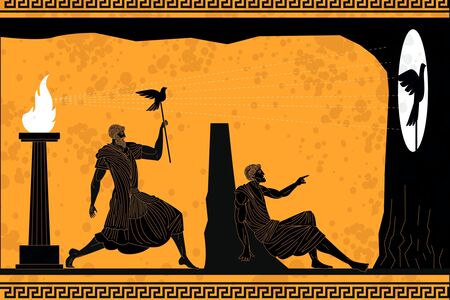
In the fourth century before our era, on the outskirts of Athens, Plato composed an allegory that remains the standard diagnostic tool for examining human society. He described prisoners bound from childhood inside a dark subterranean cave. Their heads were fixed in place, unable to turn toward the entrance or glance toward one another. Behind them, a blazing fire cast moving silhouettes against the stone wall. The prisoners gave names to the flickering shapes, believing that the dancing shadows constituted the total fabric of reality.
The allegory did not portray a distant fantasy. It mirrored the enduring structure of civic life. In every civilization, collective consensus functions like that underground theater. Shared taboos, state rituals, and social conventions construct a predictable world. For the majority of citizens, staying within this familiar perimeter offers comfort and social belonging. Yet this safety comes at the cost of genuine independence.
The Friction of the Turning
Plato called the initial movement toward freedom periagoge, meaning the complete turning around of the soul. This pivot does not arrive as a gentle daydream. When a prisoner slips the iron shackles and stands upright, the physical shock is severe. Stiff muscles ache, and the bright light of the fire blinds eyes accustomed only to twilight. The immediate instinct of the newly freed person is to recoil and retreat to the comfort of the wall.
Human psychology tracks this ancient observation. When an individual begins to question dogmas learned in childhood, the mind encounters acute friction. Confronting the errors of an ancestral political party or religious sect demands psychic stamina. Stepping away from the herd triggers feelings of betrayal and disorientation. The early stage of independent thought often feels like a loss rather than an achievement.
The Ascent into Open Sunlight
If the fugitive continues upward along the rough path, they eventually stumble past the mouth of the cavern into the open country. The transition into unfiltered sunlight brings another wave of pain. At first, the eyes can discern only dark reflections in ponds and the pale outlines of trees at dusk. Only with patience does the eye adjust to behold the blue sky, the green earth, and the sun itself as the source of light and warmth.
This climb demands genuine mental effort. Real knowledge demands patient observation of physical facts rather than consumption of second-hand rumors. A person who learns to weigh evidence, test premises, and discard falsehoods discovers a world richer than any manufactured narrative. The clear daylight of reason reveals that the shadows on the cavern wall were only distorted echoes of reality.
The Dilemma of the Return
The classical journey toward autonomy does not end on a mountain peak. In Plato's dialogue, the freed person remembers companions still chained in the dark and decides to climb back into the cavern. Re-entering that subterranean world brings fresh peril. Used to bright sunlight, the returnee stumbles down stone steps, squinting at shadows in the gloom.
The response of the prisoners to this clumsy visitor is telling. Rather than welcoming news of the upper world, they mock the wanderer as a ruined crank whose eyesight was spoiled by foolish excursions. If the returnee attempts to unbind their hands and drag them toward the surface, the prisoners turn hostile, ready to defend their familiar illusions with force. Men and women frequently prefer comfortable bondage over the demanding responsibility of freedom.
Shadows Across the Digital Wall
In modern mass society, the architecture of the cave has grown sophisticated. Silicon displays and algorithmic feeds now project an endless parade of synthetic images into private hands. Digital networks package outrage and validation, rewarding conformity and punishing independent judgment. The modern theater feels expansive, yet its users remain tethered to manufactured consensus.
Breaking out of this digital pen requires calm self-discipline. It calls for periods of quiet withdrawal, patient reading of long books, and honest dialogue with neighbors across social divides. Autonomy is maintained through daily habits of discernment rather than solitary acts of rebellion. Those who preserve their capacity for independent thought provide their communities with a defense against collective panic.
The Price and Promise of Freedom
Human progress has never been carried by comfortable majorities marching in unthinking lockstep. It advances through those rare individuals who risk solitude to turn their gaze toward the light. These independent thinkers endure the sneers of their peers, knowing that truth cannot be settled by popular vote.
The path out of the cavern remains steep and rocky, demanding courage from all who take the first step. Genuine freedom requires letting go of easy certainty and bearing the weight of personal accountability. For those willing to make the climb, the reward is an honest encounter with reality, proving that an examined life in the sun is worth every hardship along the road.