
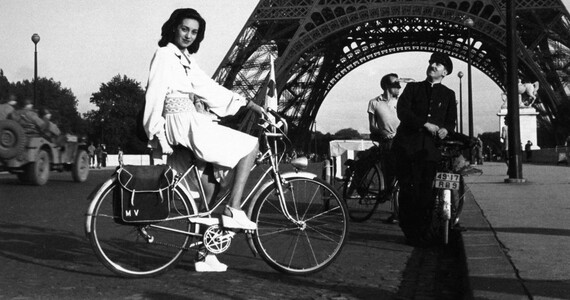
Living on a bicycle transforms transportation into a complete lifestyle. This approach requires extensive planning and preparation, but it offers unique opportunities to experience the world while maintaining a sustainable, minimalist existence. The practice combines physical challenge with profound freedom, creating a distinctive way of engaging with geography, communities, and personal limits.
Route planning forms the foundation of successful bicycle living. Selecting the appropriate bicycle matters significantly. Touring bikes with sturdy frames and multiple gear options handle varied terrain and heavy loads better than standard road bikes. The route itself demands research into road conditions, elevation changes, water availability, and potential camping locations. Mapping tools help identify safe cycling paths, but local knowledge often proves more valuable. Speaking with other touring cyclists and consulting regional cycling forums reveals hidden challenges and unexpected resources that maps cannot show.
Preparation extends beyond route selection into comprehensive supply management. Essential tools include tire levers, spare tubes, a patch kit, a multi-tool, and a portable pump. Weather protection requires both clothing layers and shelter options. Sudden storms, temperature drops, and intense sun all demand specific gear. Carrying too much creates unnecessary weight that slows progress and increases fatigue. Carrying too little leaves a cyclist vulnerable when conditions deteriorate or equipment fails. Finding this balance requires experience and honest assessment of personal needs versus wants.
Flexibility becomes crucial when living on a bicycle. Plans fail regularly. Roads close for construction, weather forces detours, equipment breaks unexpectedly, and physical exhaustion demands rest days. Rigid schedules create frustration and potential danger. A cyclist who insists on reaching a specific destination despite deteriorating conditions risks injury or worse. Successful bicycle living requires accepting uncertainty and adapting to circumstances as they develop. This mental flexibility often proves more important than physical fitness or expensive equipment.
The journey itself provides the primary value. Bicycle speed forces engagement with surroundings that faster transportation methods bypass. A cyclist notices seasonal changes in vegetation, smells from local agriculture, sounds of wildlife, and subtle shifts in architecture that indicate cultural boundaries. This slower pace creates opportunities for spontaneous interactions. Stopping at a small cafe, helping a farmer move equipment, or accepting an invitation to camp in someone's yard all become possible when traveling at bicycle speed. These encounters often provide the most memorable aspects of the experience.
Physical benefits accompany the adventure. Cycling builds cardiovascular endurance, leg strength, and core stability. Unlike high-impact activities, cycling stresses joints minimally, making it sustainable for extended periods. Daily riding burns substantial calories while building muscle, creating a positive feedback loop where increased fitness enables longer daily distances. The outdoor exposure provides vitamin D and regulates circadian rhythms better than indoor exercise. Mental health improves through the combination of physical exertion, novel experiences, and simplified daily routines.
Financial advantages make bicycle living accessible to people with limited resources. Eliminating vehicle fuel, insurance, parking fees, and public transportation costs saves thousands annually. Long-distance cyclists often spend less on daily living than people maintaining permanent housing. Free camping on public lands, staying with hosts through cycling networks, and preparing simple meals from grocery stores all reduce expenses dramatically. This financial efficiency allows extended travel periods that conventional tourism cannot match.
Environmental impact remains minimal compared to motorized travel. Bicycles produce zero emissions during operation and require far fewer resources to manufacture than automobiles. The reduced consumption inherent in bicycle living, carrying only essential possessions, further decreases environmental footprint. This alignment with sustainability principles attracts people concerned about climate change and resource depletion.
Challenges exist alongside benefits. Physical discomfort becomes routine. Sore muscles, saddle soreness, and general fatigue require management through proper bike fit, gradual mileage increases, and adequate rest. Weather exposure cannot be completely avoided. Rain soaks clothing and gear, wind creates exhausting resistance, and extreme temperatures demand constant attention to hydration and body temperature regulation. Mechanical failures occur far from bike shops, requiring either self-repair skills or long walks to find assistance.
Social isolation affects some bicycle travelers. Days pass without meaningful conversation. The transient nature of bicycle travel prevents forming deep relationships. Some people thrive in this solitude, using the time for reflection and personal growth. Others find the isolation difficult, requiring deliberate effort to connect with people along the route through community events, cyclist meetups, or extended stays in particular locations.
Safety concerns require constant vigilance. Traffic poses the most obvious danger, particularly on roads without dedicated bike lanes or shoulders. Defensive riding techniques, high-visibility clothing, and lights reduce but do not eliminate this risk. Theft threatens both the bicycle and essential gear. Locking systems, camping in secure locations, and never leaving valuable items unattended become necessary habits. Personal safety in unfamiliar areas demands awareness of surroundings and trust in instincts about potentially dangerous situations.
Bicycle living appeals to people seeking alternatives to conventional lifestyles. The combination of physical challenge, financial efficiency, environmental sustainability, and experiential richness creates a compelling package. Success requires realistic expectations, thorough preparation, and willingness to adapt when circumstances change. Those who embrace the uncertainty and discomfort alongside the freedom and adventure often find the experience transformative, fundamentally changing how they understand mobility, community, and personal capability.