
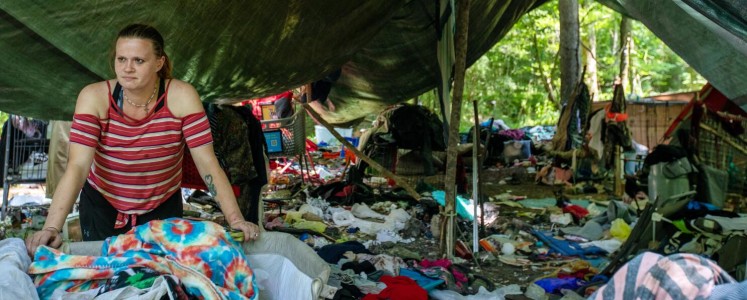
Abandoned homeless camps create problems that reach beyond the immediate issue of homelessness itself. These sites, often hidden in brush or along rivers, collect waste that harms local environments and creates real health risks for everyone in the area.
The environmental damage follows clear patterns. Food waste breaks down without proper containers, sending harmful bacteria into soil and water. Plastic breaks into tiny pieces that stay in the ground for decades. Human waste without toilets introduces dangerous bacteria into streams and rivers. A single camp used for several months can pollute water sources that wildlife and nearby communities depend on.
Public health officials see these sites as disease risks. Rats come for food scraps and carry diseases like hantavirus. Standing water in thrown-away containers breeds mosquitoes that spread West Nile virus. Needles left behind create dangers for cleanup workers and people using public lands. The buildup of waste in areas without bathrooms creates conditions that spread hepatitis A, a pattern seen in many cities over the past ten years.
Recording these sites carefully serves several purposes. Mapping with GPS coordinates helps environmental agencies track the total impact on specific rivers or natural areas. Photos show what conditions look like before cleanup and help officials decide where to send resources. Tracking sites over time shows whether camps are temporary or long-term, which calls for different responses.
Cleanup work requires methods that fix environmental damage while respecting the people who lived in these spaces. Safety procedures protect workers from infectious materials. Proper disposal keeps pollution from spreading to dumps or water treatment plants. Restoration may include fixing soil, removing invasive plants, and preventing erosion to reverse environmental harm.
The link between camp cleanup and homeless services remains complicated. Clearing sites without offering other shelter just moves people without solving housing problems. However, allowing unlimited environmental damage creates impossible public health situations. Good programs combine cleanup with outreach, connecting people to bathrooms, health services, and housing help during site cleanup.
Community involvement shapes how well these programs work. Local knowledge finds camp locations that officials miss. Volunteers who help with supervised cleanups learn to see homelessness as a system problem rather than personal failure. When environmental groups, health departments, and homeless services work together, they address multiple problems at once.
The basic challenge comes down to missing infrastructure. People without homes need access to bathrooms no matter where they sleep. Public facilities with toilets, showers, and laundry reduce the environmental impact of people living outside by giving them alternatives to makeshift solutions. These facilities also connect people to health services, case managers, and housing help.
Evidence from cities that have tried complete approaches shows clear results. Camp numbers drop when paired with easy-access shelter and bathrooms. Water quality tests show less contamination in rivers after cleanup combined with providing facilities. Hospital visits for conditions linked to poor hygiene decrease when shower access becomes available.
The environmental justice angle matters too. Homeless camps cluster in areas already burdened by factory pollution, lack of parks, and poor public services. Cleanup efforts that restore these spaces help entire neighborhoods while fixing immediate health dangers. However, cleanup without addressing the housing shortage that creates camps just leads to a cycle of moving people and camps returning.
Long-term answers require recognizing that environmental damage from homelessness comes from infrastructure exclusion. When people lack legal access to bathrooms, they improvise with predictable environmental results. Providing dignified facilities works as both a health measure and environmental protection. The cost of prevention through facility access stays much lower than repeated cleanup operations and later health expenses.
Camp cleanup programs work best as parts of larger homelessness response systems. Documentation guides where to send resources. Cleanup protects nature and public health. Facility access prevents future environmental impact. Housing development addresses root causes. Each part strengthens the others in creating conditions where both human dignity and environmental health can exist together.