Cycles of Change

Knowledge - Spirit - Culture - Growth

Hannah Arendt first introduced the concept of the "banality of evil" during the 1961 trial of Adolf Eichmann. She used this phrase to describe how ordinary people can participate in horrific crimes through simple obedience and an absence of thought. She observed that Eichmann was not a complex [...]
Democracy is a dynamic system for staying strong. It works through the steady renewal of public trust and the fair split of power. Cycle theory states that mature societies face decay during a "Fourth Turning." This phase shows less social cooperation and more internal conflict. Success requires [...]
The situation in Cuba is dire, particularly for the elderly population. With a meager $10 monthly pension, many retirees struggle to survive as food, medicine, and other basic necessities become increasingly scarce. The lack of resources, combined with the government's inability or unwillingness to [...]
The Housing First model represents progress in addressing homelessness. It prioritizes stable shelter as the primary solution. In communities with limited resources and overwhelming numbers of homeless individuals, providing immediate housing for everyone becomes an impossible task. A more [...]
Living without a cellular telephone in a world of failing institutions is a departure from modern survival. This choice forces an evaluation of how life operates when digital tools become mechanisms of control. It challenges social rituals that prioritize convenience over autonomy. Such decisions [...]
The Cartesian Crisis, rooted in the philosophical approach of René Descartes, emerges from the profound separation between mind and body, leading to an existential dilemma for humanity. This crisis has shaped modern thought, where the pursuit of rationality and the emphasis on individualism have [...]

Unified Wisdom Theory

- Posted in Uncategorized by

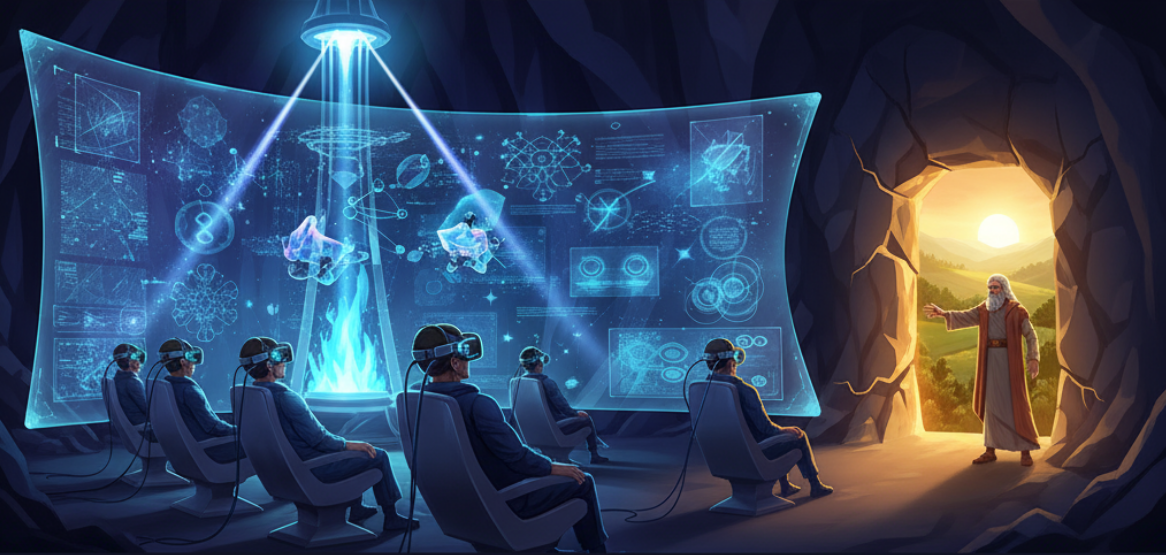
Unified Wisdom Theory seeks to bridge the gap between ancient insights and modern science, offering a new perspective on unexplained phenomena and encouraging a more integrated view of reality. This novel theory combines timeless ancient knowledge with modern scientific understanding bridging the [...]
The persistence of chronic homelessness reveals deep fractures within the social and economic systems of developed nations. Traditional interventions, often characterized by centralized shelters and prescriptive social services, frequently fail to address the underlying erosion of personal agency [...]
In our daily lives, many people have strong feelings when it comes to things they care about deeply. This includes our children, pets, and even our possessions like cars or homes. This protective instinct, or the strong urge to keep what we love safe, can sometimes lead to extreme actions if we [...]
The Hawaiian concept of Ho‘oponopono is a traditional practice rooted in the values of forgiveness, reconciliation, and restoration of harmony. The word itself means "to make right" or "to correct," reflecting its purpose of healing relationships and resolving conflicts within families and [...]
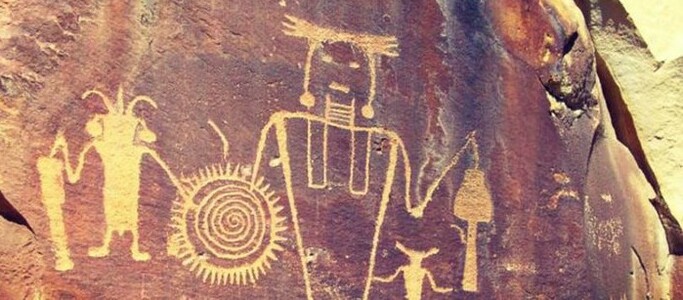
In Hopi culture, the concept of "Koyaanisqatsi" is deeply connected to their spiritual teachings and prophecies, including those depicted on the Hopi Prophecy Rock. The Prophecy Rock, located in Arizona, is an ancient petroglyph that is central to Hopi prophecy and worldview. It serves as a visual [...]
The concept of the "Age of Reason" is often understood as the developmental stage when a child begins to grasp the difference between right and wrong and starts to develop a rational understanding of the world around them. This is usually thought to occur around the age of seven, when a child [...]