
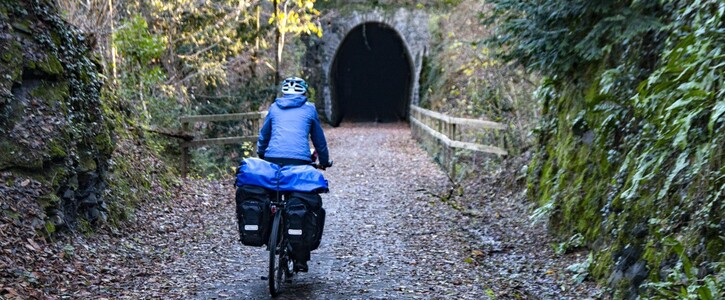
Modern society often frames bicycle touring as a casual recreational activity, a way to have "fun" on weekends. This perspective misses the profound value of the discipline. Long-distance cycling is a crucible for building resilience, independence, and psychological anti-fragility. It forces the rider to confront the physical reality of the world directly, without the insulating layers of modern convenience. To prepare for such a journey is to prepare for life itself.
The first step is not simply "buying a bike," but understanding the machine as an extension of one's will. A touring cyclist cannot rely on a support crew. You must master the essential survival skills of mechanics: repairing a broken chain, fixing a flat tire in the rain, and adjusting brakes on a mountain pass. This technical competence breeds a deep sense of confidence. When you know you can repair your vehicle, you no longer fear the breakdown. You become autonomous.
Physical preparation for a multi-day tour demands more than casual riding. It requires a structured approach to building endurance and core strength. The goal is not speed, but durability. Training involves long, steady rides with a fully loaded bike to simulate the weight of your gear. It involves strengthening the core and upper body to withstand days of vibration and effort. This physical hardening protects the body from injury and prepares the mind for the inevitable discomfort of the road.
The true challenge of the road is psychological. You will face headwinds, unrelenting rain, and steep gradients. In these moments, the "fun" evaporates, leaving only your resolve. This is where resilience is born. Studies show that long-distance cycling acts as a form of moving meditation, reducing cortisol and sharpening focus. By pushing through adversity, you develop a mental toughness that translates to every other aspect of life. You learn that discomfort is temporary, but the strength gained from overcoming it is permanent.
Finally, the discipline of touring teaches the art of living with less. "Stealth camping," or sleeping in the wild unseen and leaving no trace, is a skill that reconnects you with the natural world. It requires navigation, observation, and respect for the environment. It teaches you to carry only what is essential and to find comfort in simplicity. This independence is the ultimate reward. You are no longer a passive consumer of experiences, but an active participant in your own journey, capable of moving through the world under your own power, on your own terms.