
Weight gain occurs when insulin levels remain elevated throughout the day. Every meal triggers insulin release, and when insulin stays high, the body locks away fat and refuses to burn stored energy. Eating constantly, particularly foods high in sugar and starch, maintains perpetually elevated insulin. The body never receives the signal to access and utilize stored fat for fuel.
Processed foods compound this metabolic trap. Food manufacturers engineer products to maximize consumption. Someone eats a bag of chips or drinks a soda, then feels hungry again within an hour. This hunger signal does not reflect actual energy needs. The body possesses abundant stored energy, but processed foods spike blood sugar rapidly, then crash it just as fast. The brain interprets this crash as starvation and demands more food immediately.
Real food operates through different mechanisms. Meals built around eggs, meat, vegetables, and healthy fats produce sustained satiety lasting four to six hours. Insulin remains stable, allowing the body to finally access stored fat and burn it for energy. Weight loss occurs without constant hunger. The solution involves eating appropriate foods and allowing sufficient time between meals, not simply reducing food quantity.
Protein-rich foods form the foundation of effective weight management. Eggs provide complete nutrition at minimal cost. Beef, pork, and lamb, including fattier cuts, deliver satiety through their fat content. Chicken and turkey, particularly thighs and drumsticks rather than dry breast meat, offer affordable protein. Fish and seafood like salmon, tuna, sardines, and shrimp provide omega-3 fatty acids alongside protein. Bacon and sausage work well when labels confirm no added sugar. Protein requires significant digestive effort, which burns additional calories while building muscle tissue and maintaining fullness for extended periods.
Healthy fats play a crucial role despite decades of misleading dietary advice. Butter and ghee, not artificial spreads, support metabolic function. Olive oil and avocado oil provide cooking fats and salad dressings. Avocados deliver both fat and fiber. Nuts including almonds, walnuts, pecans, and macadamias offer portable nutrition. Cheese works for those without dairy sensitivities. Heavy cream in coffee provides richness without the sugar content of milk. Fat does not cause fat gain. Sugar and starch drive fat storage. Dietary fat prevents constant snacking by maintaining satiety, and brain function improves when fueled by fat rather than glucose.
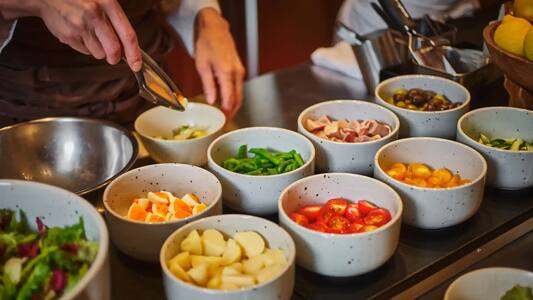
Vegetables provide volume, vitamins, and fiber with minimal insulin impact. Leafy greens like spinach, lettuce, arugula, and kale can be consumed freely. Broccoli, cauliflower, Brussels sprouts, and cabbage offer substantial nutrition. Zucchini, peppers, cucumbers, asparagus, and green beans add variety. Mushrooms, tomatoes, onions, and garlic enhance flavor. Green vegetables fill the stomach and provide micronutrients without triggering insulin spikes.
Beverage choices significantly impact weight management. Water remains the most important drink. Black coffee or coffee with cream, without sugar, supports metabolism. Unsweetened tea provides variety. Plain sparkling water offers carbonation without artificial sweeteners. All caloric beverages except small amounts of cream should be eliminated. Liquid sugar in the form of soda, juice, sweet tea, and energy drinks represents the fastest route to weight gain.
Foods that drive weight gain share common characteristics. Sugar in all forms, including candy, cookies, cake, ice cream, and pastries, triggers insulin spikes and fat storage. Beverages containing sugar, including soda, juice, sweet tea, energy drinks, and sports drinks, deliver concentrated glucose directly into the bloodstream. High fructose corn syrup appears in countless processed products. Even natural sweeteners like honey, maple syrup, and agave nectar spike insulin identically to refined sugar. Sugar creates addictive patterns, making the first week without it challenging. After seven days, cravings typically disappear.
Grains and starches convert to sugar within minutes of consumption. Bread, bagels, rolls, tortillas, and wraps all spike blood glucose. Pasta, noodles, and rice behave identically to candy in terms of insulin response. Cereal, oatmeal, and granola marketed as healthy breakfast options still trigger fat storage. Pizza crust, crackers, chips, and pretzels all convert rapidly to glucose. Potatoes and french fries spike insulin despite being vegetables. The body processes all these foods as sugar regardless of their original form.
Processed snack foods receive engineering specifically designed to override natural satiety signals. Chips and similar products never satisfy hunger, encouraging overconsumption. Granola bars and protein bars containing sugar provide no metabolic advantage. Fruit snacks and gummies deliver pure sugar. Microwave meals with sauces often contain hidden sugars and starches. Fast food burgers without buns can work, but fries and soda negate any benefit.
Several foods marketed as healthy actually impede weight loss. Fruit contains substantial sugar, with berries in small amounts representing the only reasonable option. Fruit juice concentrates sugar without the fiber that might slow absorption. Milk contains lactose, a sugar, while cream and cheese provide fat without significant sugar content. Flavored yogurt packs added sugar, though plain full-fat Greek yogurt remains acceptable. Cereals marketed as healthy still consist of processed carbohydrates and sugar. Bread labeled whole grain or healthy still spikes insulin identically to white bread. Package marketing lies consistently. Products featuring cartoon characters or health claims typically promote weight gain.
Conventional eating patterns recommend six daily eating occasions: breakfast, mid-morning snack, lunch, mid-afternoon snack, dinner, and evening snack. This schedule spikes insulin six times daily, preventing any fat burning. A superior approach involves eating two to three times daily without snacks. Real food containing protein, fat, and vegetables maintains satiety for four to six hours easily, eliminating snack requirements.
Many people discover they feel no genuine hunger in the morning. The urge to eat breakfast reflects habit rather than physiological need. Black coffee or tea provides morning stimulation without triggering insulin. Eating the first meal at noon or one in the afternoon, then again at six or seven in the evening, creates a sixteen to eighteen hour window of low insulin during which the body burns stored fat. Those experiencing true morning hunger should eat eggs and bacon while skipping toast, cereal, and juice.
Ceasing food intake after dinner allows the body to repair itself during sleep. This repair process only occurs when digestion is not competing for resources. Distinguishing real hunger from cravings requires attention to physical signals. Stomach growling, slight emptiness, and mental clarity indicate genuine hunger requiring food. Cravings for specific foods, boredom, stress, and habit do not constitute real hunger. Drinking water and waiting twenty minutes typically resolves false hunger signals.
Simple meals work more effectively than complicated recipes. Breakfast, when consumed, might include scrambled eggs with cheese, bacon and eggs, vegetable omelets, or leftover dinner. Lunch options include salads with grilled chicken, olive oil, and avocado, burger patties with cheese but no bun, tuna or salmon with mayonnaise on lettuce leaves, or previous night's dinner. Dinner could feature grilled chicken thighs with roasted broccoli, ground beef stir-fried with peppers and onions, baked salmon with buttered asparagus, steak with side salad, or pork chops with sautéed spinach.
Meal preparation simplifies daily eating. Cooking an entire package of bacon on Sunday and refrigerating it provides grab-and-go protein all week. Grilling or baking multiple chicken thighs at once allows quick meal assembly. Hard-boiling a dozen eggs and storing them peeled creates instant nutrition. Washing and chopping vegetables in advance reduces preparation time. Browning two to three pounds of ground beef and portioning it into containers enables two-minute meal construction.
Restaurant meals require minor modifications. Burgers ordered without buns, with extra patties, and without fries work well. Mexican restaurants serve fajitas without tortillas and rice, with extra meat and guacamole. Chinese restaurants can prepare stir-fried meat and vegetables without rice and noodles. Breakfast establishments offer eggs, bacon, and sausage without toast and hash browns. Salad restaurants allow loading protein and vegetables with olive oil dressing while skipping croutons.
Social situations require planning. At friends' houses or family meals, eating the protein and vegetables while declining bread and dessert works smoothly. Claiming lack of hunger when pushed to eat problematic foods causes no harm. Bringing a compliant dish to share ensures something appropriate is available. Eating beforehand reduces temptation when surrounded by processed foods.
Portable foods for school or work include hard-boiled eggs that require no refrigeration for several hours, cheese sticks or cubes, small amounts of nuts, avocado with salt eaten with a spoon, cooked bacon strips, and leftover chicken or beef.
The first three to seven days may produce fatigue, irritability, or headaches as the body transitions from burning sugar to burning fat. Extra water and salt consumption helps this transition pass quickly. Initial hunger between meals reflects the body's adaptation to less frequent eating. Drinking water and waiting twenty minutes typically resolves this sensation. By day four or five, between-meal hunger stops occurring.
During weeks two through four, energy improves noticeably. Waking becomes easier, mental clarity increases, and clothes fit more loosely. Constant food preoccupation diminishes. Initial weight drops rapidly, with five to ten pounds in two weeks being normal. This represents water weight and reduced inflammation rather than pure fat loss. The rate slows afterward, which is expected.
From month two onward, weight loss becomes steady at one to two pounds weekly, a healthy and sustainable pace. Sugar and bread cravings disappear. Real food tastes better as taste buds reset. The body functions as designed. Perfection is unnecessary. Eating problematic foods at occasional celebrations causes no lasting damage. Simply returning to real food at the next meal maintains progress. One bad meal changes nothing. A week of bad meals derails progress.
Building the habit of eating real food most of the time allows the body to adapt. Weight remains stable, energy stays high, and this pattern becomes normal eating rather than temporary dieting. The fundamental principle involves eating food from animals and plants rather than factories, stopping constant eating, and giving the body time to burn stored fat. No calorie counting, food weighing, or expensive supplements are required. Real food and common sense produce results. The body knows how to maintain health and appropriate weight when provided proper nutrition and given opportunity to function correctly.