
Picture a small town that signs a contract with a local builder to repair the roofs on a row of aging public housing units. The builder hires a crew, buys the lumber, orders the shingles, and lines everything up so work can begin in early spring. But in January, a new mayor takes office with a [...]
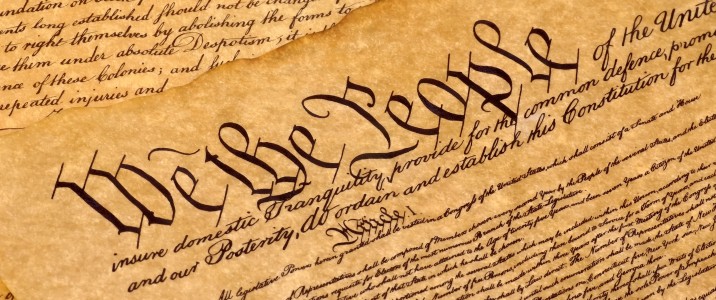
Every civilization asks the same question: where does authority come from? The answer shapes everything. It determines who makes the laws, who enforces them, and who can challenge them. Two answers have competed across human history. Understanding both reveals why the republic remains one of the [...]
In any complex system - whether software architecture, bridge building, or pediatric medicine - the danger of an action is calculated by different metrics, but the most critical formula remains constant: Risk multiplied by Permanence. A reversible error, such as a wrong prescription that leaves the [...]
Modern citizens often find their private wealth, travel rights, and personal freedom tied to one home government. When a lone state holds an individual's passport, trade papers, and bank vaults, official overreach brings grave danger. Sudden shifts in tax laws, money freezes, or political storms [...]
In the winter of 1928, the Supreme Court decided a Seattle bootlegging case that shaped modern privacy law. Federal prohibition agents had tapped the telephone lines of Roy Olmstead by splicing listening wires into junction boxes. The agents never stepped onto Olmstead's land, yet they listened [...]
Free republics endure only when state power faces firm legal limits. When public officials rule without checks, government reach expands until basic civil liberties fade away. The early architects of free government saw that human ambition moves toward raw control unless blocked by rival powers. [...]
Across ancient cultures, the search for justice served as the foundation of civil peace and civic trust. In the classical thought of old India, thinkers formed a remarkable tradition of inquiry called Nyaya to study this virtue. Started by the sage Aksapada Gautama over two thousand years ago, [...]
The Ashtiname of Muhammad, or the Covenant of Sinai, stands as a primary historical record of protection granted to religious minorities. Reported to have been issued in 628 Common Era, this charter provided several legal and physical rules to the monks of Saint Catherine’s Monastery. The document [...]
A free country depends on drawing a firm line between what you think and what you do. For generations, our legal tradition has guarded the human mind as private ground beyond the reach of state power. You can hold odd beliefs, read banned books, or harbor deep dislikes without breaking any law. In [...]
Modern civic thought faces a sharp divide between planned state rule and free human choice. Across global halls, backers of state planning want trained experts to steer trade, shop work, and daily life for the public good. In contrast, the old liberal view holds that true social peace grows from [...]
Frédéric Bastiat published his most influential work in the final months of his life. This document remains a primary tool for understanding the mechanics of institutional failure. In the middle of the nineteenth century, Bastiat witnessed a fundamental shift in the nature of governance. He [...]
Laws provide the essential framework within which modern societies function. These legal structures aim to balance individual liberties with collective needs, establish order, and provide mechanism for resolving disputes. However, the perception of what constitutes a beneficial or "good" law versus [...]