In the modern world, many people believe that to care is to act. They are taught that every problem requires a fix or an intervention. However, in the presence of a high-conflict personality, intervention often accelerates the struggle. A paradigm called compassionate neglect offers a different way [...]
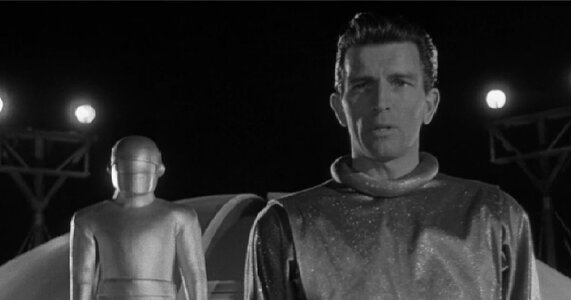
The arrival of benevolent machines marks the final transition for a society in collapse. This shift moves humanity from active participant to protected object. It occurs when institutions can no longer maintain order or safety through traditional means. The drive for absolute security often masks a [...]
Human social circles often drift into scripted drama traps that wear down personal peace. In counseling psychology, these recurring loops are known as drama triangles, where people slide into fixed roles of bully, victim, and rescuer. Neighbors and coworkers trade accusations back and forth across [...]
The word "no" is the primary instrument of psychological sovereignty. It functions as a boundary-defining tool that separates the individual from the collective system. In the framework of self-differentiation, high-level maturity requires the maintenance of a solid self. This solid self is [...]
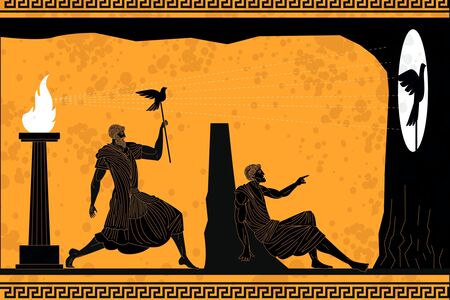
In the fourth century before our era, on the outskirts of Athens, Plato composed an allegory that remains the standard diagnostic tool for examining human society. He described prisoners bound from childhood inside a dark subterranean cave. Their heads were fixed in place, unable to turn toward the [...]
Across every historical epoch, solitary figures have chosen to step back from the clamor of collective struggle. They decline to join rival factions, refusing to repeat partisan slogans or surrender to group hysteria. These independent observers do not seek public acclaim, nor do they ask for [...]
Death is the primary sign of existential isolation. It is the point where every person must exist as a separate self. This happens apart from social groups and emotional systems. The change is a solitary process. Friends provide social support, but the experience of dying belongs to the individual [...]
Constitutional originalism is a structural commitment to institutional resilience. It works as a fixed anchor for the social contract. This prevents the arbitrary growth of bureaucratic power. The base rules of the system must stay still to ensure long-term stability. This stability allows for the [...]
Human social life exists along an evolving path of personal ties, casual meetings, and chosen solitude. People spend years building bonds with peers, discovering fresh voices through travel or work, and stepping back into quiet spaces. Each state provides distinct gains that shape how people [...]
Two clashing cultural movements compete to shape the future of human society in modern times. On one side stands an anti-human creed that views human beings as a burden upon the Earth. On the opposite side stands transhumanism, which seeks to conquer bodily limits by merging human flesh with [...]
The foundation of nomadic cycling rests on the principle that true freedom stems from the ability to live with fewer possessions. This philosophy of minimalism transforms the bicycle from a simple mode of transport into a sophisticated tool for self-sufficiency and discovery. By prioritizing [...]
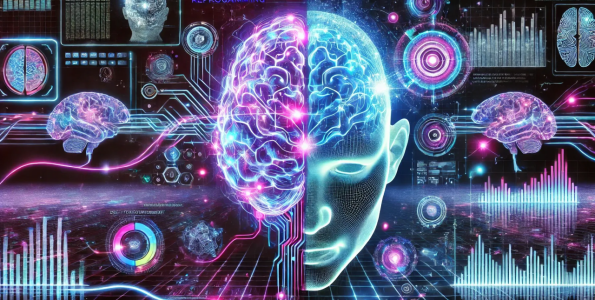
Modern technological integration produces a fundamental restructuring of the human environment. This transition involves a profound convergence of the biological, physical, and digital spheres of existence. This process is a societal transformation. It fundamentally dismantles the traditional [...]