
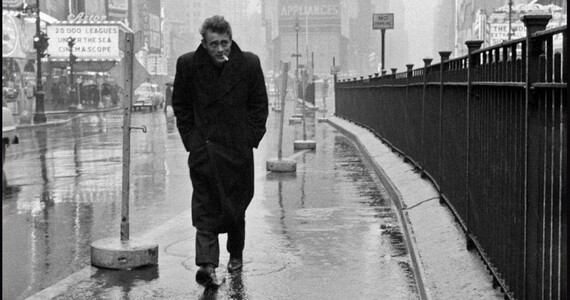
In many social and literary stories, the hero is defined by persistent work and direct confrontation. Society often teaches that strength is found in standing one's ground and refusing to yield during a dispute. While this approach is effective in normal life, it typically fails in cases of irreconcilable conflict. When one party is determined to maintain a cycle of friction, the traditional path of resolution is blocked. In these cases, the most ethically sound and tactically superior move is a strategic withdrawal. This choice involves a deliberate shift in focus from the conflict itself to the preservation of internal focus and purpose.
This approach operates on the medical and technical model of triage. Triage requires the prioritisation of resources based on a realistic assessment of what can be saved. It involves the difficult decision to abandon certain goals to protect the most vital systems. In the context of a high-conflict relationship, triage means identifying that the preservation of internal peace is more important than the pursuit of a collaborative solution. It is a calculated sacrifice that recognises the limits of human agency. When the energy required to maintain a connection exceeds the value of the connection itself, withdrawal becomes a necessary act of system preservation.
Strategic withdrawal is often misinterpreted as an admission of weakness or a failure of character. An observer might worry that their silence will be perceived as an acceptance of false stories. However, the decision to walk away from a friction loop is an expression of profound internal power. It shows that the individual refuses to let their energy be consumed by a structure that has no path to success. By removing themselves from the line of fire, they prioritise long-term stability over a temporary triumph in an argument. This distance creates the space needed for objective analysis and future planning.
In social systems, high-conflict personalities often use weaponised distrust to keep others engaged in a struggle. They rely on the natural desire of others to be understood and validated. By creating constant friction, they force their targets into a reactive state. A person who is always defending themselves cannot focus on productive work or personal growth. Strategic withdrawal breaks this cycle by removing the target. Without a target to hit, the energy of the conflict has nowhere to land and eventually fades. This termination of the loop is the ultimate goal of the withdrawal.
In family groups, this strategy becomes a moral necessity when a third party is used as a tool of conflict. An observer who recognises that every interaction feeds a cycle of distress might choose a complete withdrawal to protect vulnerable participants. This is the implementation of a hardened perimeter. By yielding control and maintaining silence, the observer ensures that a third party is no longer forced into the role of a stabiliser or a rescuer. This specific pain is accepted as a tactical move to end the utility of the bystander in the dispute. The focus shifts from winning the current fight to ending the game entirely.
Forgiveness and yield serve as the primary variables for reducing the heat of a conflict. While society demands symmetrical efforts toward resolution, such efforts are impossible when one party blocks all options. Faith or a transcendental framework provides the necessary weight to endure the consequences of withdrawal. It allows the individual to focus on a future where the friction has been removed, rather than the chaos of the present. This shift in perspective provides the grace required for a successful transition to a state of peace. It recognises that some battles are won by refusing to enter the field of play.
Furthermore, the discipline of withdrawal requires an acceptance of the loss of reputation in the short term. A high-conflict person will often use the silence of the observer to create a distorted story for others. Fighting this story often pulls the observer back into the triangle of conflict. A person with a firm internal anchor remains steady despite these false claims. They trust that the long-term evidence of their character will outweigh the temporary noise of the dispute. This patience is a sign of high-level maturity and self-belief. It requires a long-term view of success and personal integrity.
The ethics of withdrawal also involve a commitment to personal accountability. When an individual leaves a conflict, they must also leave behind the anger and resentment that the conflict produced. Carrying these feelings into the future creates an internal source of friction. True withdrawal is both physical and emotional. It requires the individual to forgive the other party as an act of personal preservation. This letting go allows the mind to return to its primary tasks without the weight of past disputes. It is a clean break that enables new growth and a return to original goals.
In the context of the Fourth Turning, where institutional systems are in decay, individual autonomy is a vital asset. Decaying systems often produce high levels of social stress and irrational behaviour. A person who can effectively triage their social interactions is better equipped to survive and lead during these times. They save their energy for building new systems and supporting reliable partners. They do not waste time on friction loops that have no constructive end. This tactical use of withdrawal ensures that resources are allocated to the most promising and resilient projects.
Ultimately, the ethics of withdrawal are centred on the preservation of a sacred perimeter. Victory is not focused on changing the behaviour of a high-conflict personality, but on ensuring that their noise no longer interrupts the main thread of duty. By mastering the triage of inaction, an individual maintains their autonomy amid the social shifts of the era. Choosing distance over dispute is the only reliable method for terminating an irreconcilable conflict. It protects the individual and the most vulnerable participants in the system. The path to peace is found in the courage to walk away and stay away.
As old worlds dissolve, the ability to choose peace becomes a defining trait of the resilient mind. The transition is difficult, but the reward is a life of clarity and purpose. By refusing to play the games of conflict, the observer creates a vacuum where drama once lived. In this quiet space, new ideas and stronger versions of character can emerge. This is the ultimate victory of strategic withdrawal. It is not an end, but a beginning of a different and more stable way of life. It is the tactical choice of a mind that knows its own worth and mission in a changing world.