
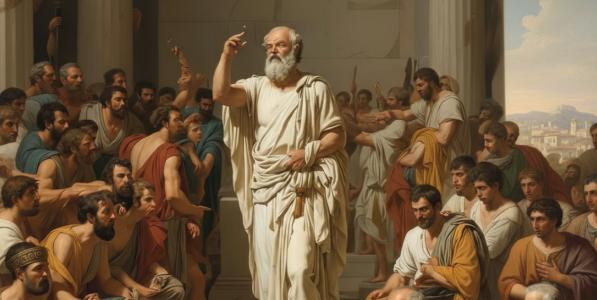
Ancient peoples warned their youth against the bitter fruit of reckless pride and excessive self-reliance. Greek writers returned continually to the danger of hubris. They described tragic figures whose arrogance led them to defy natural limits and invite ruin. In the dramas of Sophocles and Aeschylus, powerful rulers fell into grief because they believed their private desires surpassed ancient laws. These cautionary plays served as civic lessons for the public square. They reminded common folk that unchecked ambition blinds the mind, twisting good judgment and sparking bitter civic strife.
This suspicion of arrogance appears across diverse moral traditions across world history. Biblical proverbs warned that pride goes before a fall. Teachers in the Tao Te Ching taught that yielding overcomes hard resistance in daily life. Across early Mesopotamia, ancient India, and old China, wise elders observed that rulers who recognized their mortal limits governed with lasting peace. In contrast, boastful kings brought ruin upon their lands. The common thread linking these teachings is the plain truth that human insight has natural limits. Real wisdom demands quiet modesty before the power of the natural world.
Humility as a Foundation for Clear Judgment
Knowing personal limits provides the true base for sound thought and patient civic leadership. The philosopher Socrates anchored his pursuit of truth in the admission of his own ignorance. He showed that mental modesty is the first step toward genuine understanding. When people admit the borders of their knowledge, they stay open to fresh facts. They listen with care to opposing claims. This open posture prevents the stiff dogmatism that poisons critical thought. In modern offices flooded by digital noise, quiet modesty protects thinkers from the trap of hasty partisan certainty.
Modesty also guards against the reckless pride that sparks civic decay and sudden collapse. In finance, engineering, and civic governance, disasters occur when managers convince themselves that fresh tools have abolished ancient hazards. The Roman practice of having a companion whisper reminders of mortality to victorious generals showed the need to check personal pride in public life. Modern leaders face similar temptations toward vanity and public applause. The daily practice of humility remains a necessary shield against official blindness and ethical decay.
Ethical Duty and Interconnected Life
Ancient moral teachings placed each person within a rich web of duties extending toward ancestors, neighbors, and descendants. In early Confucian thought, the practice of filial respect and good manners grounded personal action in community harmony. The Stoic thinkers of Rome, including Seneca and Marcus Aurelius, taught that every person is a fellow citizen of a shared world. They argued that nature calls humans to serve the common good. These older traditions rejected the modern belief that private freedom can be cut off from duties toward neighboring towns.
When nations discard these shared duties, civic life deteriorates into isolated self-interest and moral estrangement. Ancient scrolls taught that private happiness cannot be separated from community health. Teachers urged people to act with justice, kindness, and public spirit across daily life. By treating ethical conduct as a constant duty rather than a passing mood, ancestral wisdom provided moral navigation across uncertain historical eras. Modern neighborhoods, struggling with loneliness and broken civic ties, discover in these ancient texts a clear blueprint for rebuilding mutual care.
Integrating Classical Restraint with Modern Speed
Living well in an era of rapid technical change requires blending the insights of the past with the discoveries of the present. Modern medicine, clean water, and digital tools provide wonderful benefits to daily life. Yet new tools do not bring moral wisdom on their own. Relying only on technical power while dismissing ancient lessons produces cultural loss. This neglect leaves nations vulnerable to recurring historical blunders. By pairing scientific inquiry with quiet moral restraint, modern towns can seek material progress without losing their ethical bearings.
Ancient writings offer a sturdy anchor amidst the restless currents of modern life. Thoughtful people treat these texts as hard-won wisdom distilled across centuries of human struggle. Integrating traditional prudence with modern science allows towns to build a durable culture capable of meeting complex challenges without losing its moral core. In an age often obsessed with speed and public praise, the quiet counsel of ancient elders remains a dependable guide toward private peace and enduring social harmony.