
The Chinese Communist Party is currently pushing a strict and comprehensive policy called the Sinicization of Religion, which requires all religious groups to follow the state's secular ideas instead of their own spiritual beliefs. Under President Xi Jinping, the government has intensified efforts to merge religious life with Party goals because they view any independent faith group as a threat to the safety of the country. This institutional plan leads to the changing of religious buildings and the direct criminalization of many leaders who refuse to join the state-approved organizations.
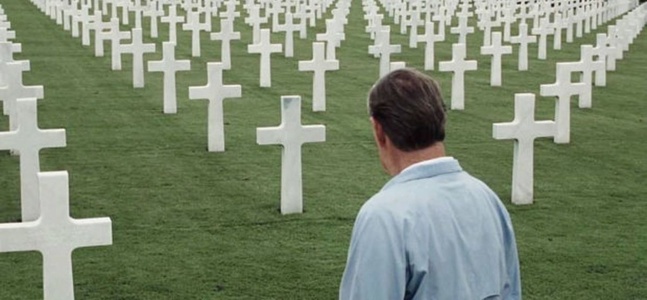
Authorities often target religious sites to make them look like state-approved buildings, and reports from the U.S. Commission on International Religious Freedom show that many church properties have been destroyed recently. This includes the removal of crosses and the demolition of unsanctioned buildings that do not have direct state approval. In minority regions, officials have changed the look of mosques to look like Chinese temples to show visual cultural control over those groups. Even within state-approved churches, religious symbols are being replaced with images of CCP leaders and state slogans to reinforce the power of the state.
The government uses a large "anti-cult" group to stop faiths that refuse to join state organizations, and officials often label independent house churches as illegal groups to justify mass arrests. Leaders who do not register with the state are often charged with fraud or other crimes that can lead to many years in prison. In 2024, data indicates that China had the highest number of religious prisoners in the world, and reports mention that these prisoners face hard labor and poor health care while in jail.
Forced de-programming and re-education are a central part of the CCP’s strategy for control, and people caught by these programs are often sent to specialized centers where they must renounced their original faith. These programs use intense psychological pressure to make people adopt the official state ideology instead of their own personal beliefs. The goal is to wipe out any loyalty to a belief system that is not overseen by the Party, and these centers aim to make everyone think and act in the same way as the state.
High-tech surveillance systems give the Chinese state powerful tools for watching religious activity, and artificial intelligence allows authorities to track people in real-time. This digital panopticon covers cities and even spans across international borders to find and target activists who live in other countries. The use of technology makes it easy for the state to find anyone who breaks the rules, ensuring that even small acts of faith are found and punished with high efficiency.
These policies affect the stability of entire cultural groups across the country, especially in Xinjiang where the CCP continues to use mass arrests and forced labor against Uyghur Muslims. They claim these acts are for safety, but they lead to great harm for these groups and for the families involved. In Tibet, religious life is increasingly restricted as monastic schools are closed, and children are often forced to go to state-run schools instead. These acts are part of a plan to achieve cultural control by dismantling the institutional structures of independent faith communities.
The world is watching these acts of harm through human rights advocacy groups, and the USCIRF has repeatedly asked the U.S. government to name China as a country of big concern. This title shows that the world sees the truth about what is happening to religious freedom, and it provides a way for other countries to speak out against the harm. Stopping these acts requires a plan that lasts for many years, and we must continue to report on the truth of what is happening within China's borders.
Global safety depends on protecting the right of each person to think for themselves, but the CCP’s Sinicization policy is a big step in using state power to control the mind. Moving toward a fair world means that we must challenge these coercive acts and protect the right to faith as a check against total state control. It ensures that diverse beliefs can exist without the risk of being destroyed by the state, and this balance is key to a world where everyone can live in peace.