
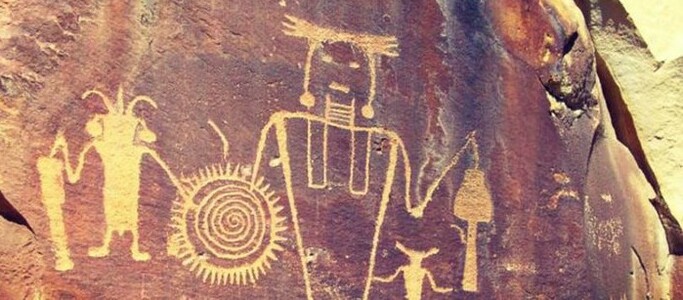
In an era of fragmented media and polarized discourse, the preservation of authentic human connection has become a distinct discipline. This practice is often embodied in the concept of the "BridgeKeeper," a term popularized by National Geographic writer Harvey Arden to describe those who dedicate themselves to connecting disparate cultural worlds. This philosophy moves beyond simple journalism or storytelling. It represents a deliberate effort to maintain the structural integrity of human wisdom across generational and cultural divides.
The methodology of the BridgeKeeper differs fundamentally from standard interviewing techniques. Traditional media often relies on interrogation, where a host arrives with a fixed agenda to extract specific soundbites. The BridgeKeeper approach creates a vacuum of agenda, often beginning with a single, open-ended invitation for the subject to share what is meaningful to them. This surrender of editorial control changes the dynamic of the interaction. It shifts the power to the speaker, allowing them to define the territory of the conversation. The result is often a dialogue that reveals deeper layers of experience than a structured Q&A could ever access.
Successfully bridging worlds requires a practitioner who possesses "cultural fluency" in multiple domains. A connector who is equally comfortable discussing wildlife management, financial markets, and historical preservation can find common ground with a wide spectrum of individuals. This breadth of experience serves as a universal adapter, allowing the BridgeKeeper to translate the wisdom of an Indigenous Elder for a modern digital audience, or to contextualize the discipline of a special operator within a broader human narrative.
A prime example of this philosophy in action is the preservation of historical narratives that might otherwise vanish. The story of Bob Lemmons, a formerly enslaved man who became a legendary "mustanger" in Texas, illustrates the importance of this work. Lemmons did not break horses through brutality; he integrated himself into the herd, becoming one of then until he could guide them. Preserving such stories requires more than just recording dates and facts. It requires understanding the spirit of the subject. A BridgeKeeper connects the resilience of a 19th-century pioneer to the challenges of modern life, demonstrating that the core elements of human character remain constant across centuries.
The value of this work lies in its ability to dissolve artificial barriers. When a conversation is stripped of performance and pretense, it reveals that the "other" is often just a variation of the self. The distinctions between a rancher, a chef, and a soldier fade when the dialogue focuses on fundamental values like integrity, survival, and purpose. The BridgeKeeper acts as the conduit for this realization, proving that our stories contain more common ground than our labels suggest.
Ultimately, the BridgeKeeper philosophy suggests that understanding is not a passive state but an active construction. It requires patience, humility, and a willingness to listen without judgment. By preserving these authentic dialogues, society maintains a reservoir of wisdom that can be drawn upon in times of division. The work of building bridges is slow and often invisible, yet it is the tension of these connections that holds a culture together.