
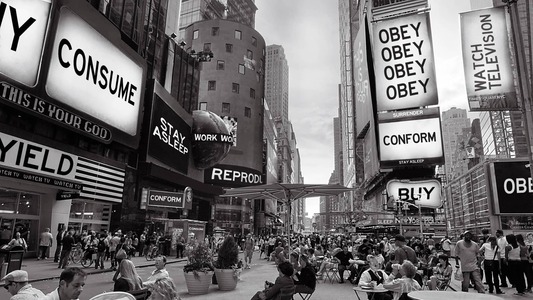
Modern life is often hard for young adults. Rents are very high and wages are low. Many people feel they cannot own a home or save money. This is not a personal failure. It is a big change in the economy. You need a good plan to stay mentally strong when the world feels messy. Understanding these changes helps you keep control of your life.
You must rethink what security means. The old way was to own a house and a steady job. This is no longer possible for many people. Real security today comes from your skills and your purpose. If you can adapt to new tasks, you are safer than someone with just one job. Focus on what you can do instead of what you own. Learn things like writing, math, and project management. These skills will protect you even if one industry fails.
Focus on the things you can control. You cannot fix the global economy or the housing market alone. Obsessing over big problems can make you feel helpless. Instead, work on your own space. Clean your room or cook a good meal. These small acts help you feel in charge of your life. This is called an internal locus of control. It is very good for your mental health. When you improve something small, you teach yourself that your effort matters.
Financial survival without a family safety net requires a commitment to non-negotiable practices that protect the individual from total collapse. Housing is the most significant expenditure for most people, and spending too much of one's income on rent creates constant financial stress. Choosing less expensive areas or accepting shared living arrangements can provide the financial breathing room necessary for long-term stability. The freedom that comes from a reduced rent burden is often more valuable than the convenience of a preferred location. Similarly, the aggressive management of debt is a priority for preserving future options. Viewing debt as a mechanical limitation on freedom, rather than a moral failure, allows for a more objective approach to its resolution.
Building multiple income streams provides a functional layer of protection against the sudden loss of a primary job. In an era of corporate restructuring and economic shifts, the assumption that any single source of income is permanent is a dangerous oversight. Developing secondary skills that can be monetized, such as freelance work or practical trade services, ensures that the individual remains solvent during periods of transition. This diversification of income is a practical application of the principles of material dignity. It ensures that the basic requirements for survival are met regardless of the volatility of the broader market. Tracking expenditures with precision also empowers the individual to make informed choices about their resources and to identify areas where waste can be eliminated.
Establishing a modest emergency fund is the final component of a stable financial foundation. Saving even a small amount each month creates a psychological cushion that changes how one interacts with the world. Knowing that a sudden medical expense or a temporary job loss will not result in immediate catastrophe provides a profound sense of peace. This fund is not merely a financial asset, but a tool for mental health. It allows the individual to operate from a position of relative strength rather than one of constant reaction. The discipline required to build this fund also reinforces the habit of long-term thinking, which is essential for navigating an uncertain future. This foundation of material survival is the prerequisite for all other forms of personal growth.
Cultivating interdependence is a necessary response to the myth of total self-sufficiency. No individual truly operates in isolation, and the most resilient people are those who are connected to robust social networks. Mutual aid circles, where neighbors and friends exchange practical help and resources, provide a level of security that institutions often fail to offer. These relationships are founded on the principle of solidarity and shared responsibility. By offering help before it is needed and being willing to ask for it when it is, the individual becomes part of a collective safety net. This interdependence challenges the atomization of modern life and provides a sense of belonging that is essential for psychological well-being.
Detaching personal identity from economic status is a critical defense against the psychological impacts of inflation and stagnant wages. Society often encourages individuals to measure their worth by their income or their ability to consume. However, this measurement is a trap that leads to either pride or despair, depending on the current state of the market. Recognizing that human value is independent of financial value allows the individual to find meaning in work that may be poorly compensated but highly significant. Success should be defined by what one learns, what one repairs, and who one helps. This perspective shift provides a stable sense of self-worth that does not fluctuate with the movements of the economy.
Maintaining a record of one's experiences and growth creates a sense of continuity that is often lacking in a transient world. In an environment where people move frequently and change career paths, the history of the individual can become fragmented. Keeping a journal or a digital record of lessons learned and relationships maintained provides a foundation for personal identity. This practice offers evidence of resilience and adaptation, reminding the individual that they have overcome previous challenges. It also honors the people and experiences that have shaped the journey, preventing a sense of drifting through life. This building of memory is an act of self-stewardship that preserves the narrative of the person across different stages of life.
Practicing temporal humility involves seeing oneself within a longer arc of social and economic change. The instability of the present era is part of a natural process of one system yielding to another. History is full of periods of transition that felt frightening and uncertain to those living through them. Understanding that these shifts are structural rather than personal reduces the urge to panic. This perspective shifts the focus from the immediate crisis to the long-term work of adaptation. The choices made today are the groundwork for a future that is still emerging. Patience and a willingness to operate without immediate results are essential virtues for anyone living in a time of significant change.
Expression and creativity provide a necessary balance to the pragmatic work of survival. When external effort does not seem to lead to permanent security, shifting some effort toward tasks that are complete in themselves provides a sense of accomplishment. Writing, creating art, or repairing a physical object are activities that have inherent value regardless of their economic outcome. These acts of creation protect the mind from the fatigue of constant struggle. They remind the individual that they are more than just an economic unit. Balancing the work that pays the bills with the work that feeds the spirit is a requirement for a durable and authentic existence. This integration of effort and being is the hallmark of a healthy life.
The practice of sanity in uncertain times is about building portable forms of stability. This involves developing skills that transfer across environments and relationships that endure across transitions. It requires a commitment to identity and purpose that does not depend on material accumulation. The work of maintaining stability is often unglamorous and repetitive. It consists of tracking expenses, showing up for others, and making deliberate choices every day. However, this work compounds over time into a sense of solid ground. By focusing on what is within reach and building a life founded on principles of dignity and agency, the individual can navigate the challenges of any economic landscape with confidence.
Individual generation is the ultimate adaptation to a world in flux. Every person who finds a way to live with meaning and stability in the face of structural failure is participating in the creation of a new social contract. This is the actual work of the current era. It is not about reclaiming the past, but about building a future that reflects the realities of the present. By embracing the principles of Material Dignity and focusing on the preservation of personal agency, individuals can move beyond the limitations of their circumstances. The path forward is one of resilience, interdependence, and a commitment to the witnessed truth of the human experience. This journey toward sanity and stability is a foundational requirement for a just and stable society.
As the understanding of these economic shifts continues to deepen, the value of internal resources will become increasingly apparent. The ability to maintain professional and personal integrity in a volatile environment is a critical metric of success. The lessons learned during periods of instability provide the tools for building more robust and compassionate systems in the future. By sharing these strategies and supporting one another, individuals can create a culture of resilience that transcends the limitations of any single economic era. The preservation of the human spirit in the face of systemic adversity is the most meaningful challenge of the present era. This commitment to sanity and dignity ensures that the individual remains the master of their own journey, regardless of the shifting landscape.