
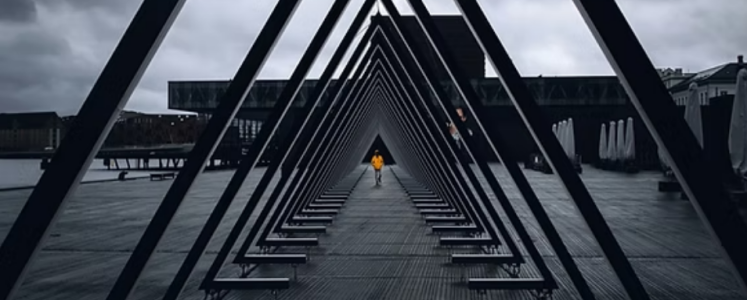
Interpersonal conflicts often follow predictable structural patterns that cause systemic dysfunction. One of the most enduring models for analyzing these dynamics is the Karpman Drama Triangle. This psychological framework identifies three recurring roles: the Victim, the Victimizer, and the Rescuer. In high-conflict social systems, participants move between these roles to handle internal anxiety and stay in control. For those observing these cycles, understanding the underlying structure is essential for keeping individual boundaries. Recognizing these patterns early allows a person to avoid being pulled into a loop that offers no resolution.
A high-conflict personality typically starts the cycle by externalizing a deep sense of internal distress. By identifying an external cause for all personal failures, the person protects a fragile ego and avoids accountability. This behavior often manifests as weaponized distrust. In this state, all or nothing demands replace collaborative solutions. The individual feels that they are always under attack, even when no threat exists. If an observer attempts to reason with the individual, they are frequently pulled into the role of the Rescuer. This help adds more fuel to the conflict because the high-conflict person sees it as a new threat.
The role of the Rescuer is particularly deceptive. Many people enter this role with the best of goals. They want to help a friend or family member find peace. However, in a drama triangle, the Rescuer actually keeps the cycle moving. By trying to fix the problems of the Victim, the Rescuer validates the idea that the Victim is helpless. This prevents the high-conflict person from taking responsibility for their own choices. Eventually, the Rescuer becomes tired or frustrated. When they stop helping, the Victim often turns into the Victimizer and attacks the former Rescuer. This shift completes a full rotation of the triangle.
A significant challenge starts when a high-conflict person forces a third party into the Drama Triangle. In family dynamics, a bystander is often pressured to stabilize an adult who is performing the role of the Victim. This pressure creates a sense of forced duty. The observer feels responsible for the emotional state of another participant. This dynamic is unstable and hurts the focus of the individual. Carrying the emotional load of others prevents the observer from focusing on primary goals like education and personal growth. It is important to realize that no one can manage the internal emotions of another person.
The only safe position within this social structure is the role of the non-victim. Transitioning to this role requires a complete shift in how incoming social data is interpreted. Instead of reacting to perceived threats or attempting to fix the conflict, the non-victim practices neutral observation. They recognize that participants possess the sole responsibility for their own feelings and choices. By choosing to stay outside the triangle, the observer builds a boundary that protects internal stability from the external storm. This boundary is not a wall of coldness, but a tool for clarity.
In extreme cases, a high-conflict person might attempt to use a bystander as an instrument of separation against another group. This tactic involves sharing distorted stories to force a tribal alignment. The goal is to make the bystander choose a side in a conflict that does not involve them. Resisting this pressure requires the use of compassionate neglect. This strategy involves withholding the attention that keeps the negative cycle moving. It recognizes that the most compassionate action for the system is often the refusal to participate in the friction. Staying neutral is a smart move to end the conflict loop.
Effective communication in these settings requires a "gray rock" approach. This method involves becoming as uninteresting as a plain rock. When a person gives short, boring, and non-committal answers, the high-conflict person loses interest. They need a strong emotional reaction to keep the triangle active. Without that energy, they will eventually look for a different target. This technique protects the mental energy of the observer. It allows them to remain present in the environment without being consumed by the chaos. Consistency is the key to making this strategy work over a long period of time.
Choosing to exist outside the Drama Triangle requires substantial self-discipline and clarity of purpose. It involves accepting that the behavior of others is a variable that cannot be controlled. By establishing clear systemic boundaries, an individual prevents the chaos of others from becoming their own reality. This preservation of a sacred perimeter allows for long-term growth and stability. True agency in social systems is found not in winning a dispute, but in the refusal to enter a trap that has no exit. This path leads to a life defined by internal values rather than external drama.
Finally, the shift toward a healthier social dynamic depends on the ability to forgive without re-entering the cycle. Forgiveness allows the observer to let go of the anger caused by the high-conflict person. This letting go is for the benefit of the observer, not the offender. It clears the mind and removes the last emotional link to the triangle. Once the emotional link is gone, the observer is truly free. They can move forward with their own life while maintaining their perimeters. This mastery of social structures is a vital skill for navigating the complex relationships of the modern world.