
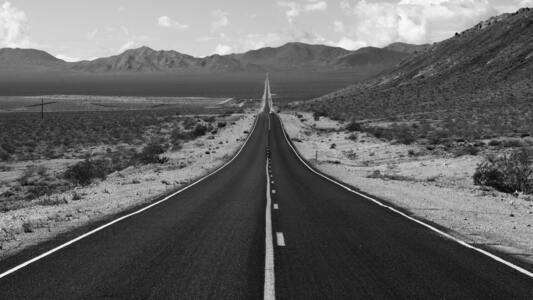
When cycling through the vast expanse of the Mojave Desert, you're pushing your body to its limits under fierce conditions. The dry heat and endless terrain can wear you down fast. To keep energy levels high and stomach discomfort low, you need to rethink how you pack your nutrition. A traditional diet of canned goods, sugary drinks, and synthetic snacks can backfire, causing issues like gastric stasis and painful acid reflux. Instead, a carefully curated nutrition plan can maintain your energy without compromising your comfort.
Let’s break down the essentials. You’ll want to focus on clean macro-nutrients that fuel your body without weighing you down. Consider pouches of wild-caught salmon or tuna that provide lean protein without the additives found in canned versions. Pair these with organic sprouted oats, which you can mix with water for an easily digestible source of carbohydrates. High-quality matzo or rice cakes are also excellent choices because they offer quick energy without irritating your digestive system.
Next, let’s address the issues linked to your lower esophageal sphincter valve. This tiny muscle plays a big role in how your body handles food. To prevent acid reflux while you ride, you need to pack items that provide both relief and protection. Alginates, like those found in travel packs of specialized gels, can create a floating barrier that keeps stomach contents in check. Complement this strategy with pure DGL lozenges and concentrated ginger drops, both of which promote healthy digestion and keep your LES valve firmly closed when it matters most.
Don't forget about the vitamins and minerals that support your body at a cellular level. Instead of large multivitamins, opt for liquid trace minerals and effervescent electrolyte tablets. These light-weight options can be packed into small spaces and help maintain hydration and muscle function without the bulk. Sublingual vitamin B-complex drops can also assist. They bypass the digestive tract, rapidly supplying energy during long rides, helping you power through the hardest stretches of the desolate landscape.
In the end, cycling across the Mojave Desert is a physical challenge and an endurance test of nutrition and care for your body. With a smart selection of lightweight, nutrient-dense foods and supplements, you can fuel your journey effectively and enjoy the ride without the distractions of discomfort. So gear up, hit the road, and let your nutrition keep you moving forward through the shimmering sands and stark beauty of the desert.
Transitioning from the extreme heat of the Mojave Desert to a temperate zone forest drastically alters your physical environment. You move from a high-heat, high-evaporation zone to a high-humidity, cooler, and dynamically changing landscape. Your body no longer fights extreme thermal regulation, meaning your nutritional, hydration, and lower esophageal sphincter LES valve protection specifications must shift.
1. Hydration and Electrolyte Specifications with Drastic Reduction
- The Change: In the desert, you require massive water volumes and high sodium loading to prevent heat stroke. In a temperate forest, your sweat rate drops significantly due to lower ambient temperatures and canopy shade.
- The Spec Shift: You can reduce your total carried water weight. You also must lower your sodium intake. Consuming high-sodium desert rations such as concentrated electrolyte tablets in a cool forest without sweating them out will cause fluid retention and increase blood pressure, which can place added stress on your digestive tract. Switch to lower-sodium, potassium-rich electrolyte formulations or pure water.
2. Macronutrient Specifications and Shift to High-Density Fats
- The Change: In the desert heat, high-fat foods must be avoided because they cause gastric stasis, where food remains in the stomach, which forces the LES valve open. In a cooler temperate forest, your body burns massive amounts of energy to maintain its core temperature, requiring sustained, long-burning fuel.
- The Spec Shift: You can introduce high-quality, clean fats into your diet. Swap some dry carbohydrates for clean, anti-inflammatory fats that do not aggravate the stomach valve. Excellent choices include macadamia nut butter pouches or extra virgin olive oil packets mixed into your salmon. Fats provide 9 calories per gram compared to carbohydrate's 4 calories per gram, allowing you to carry far more energy at a fraction of the physical cargo weight.
| Spec Feature | Mojave Desert | Temperate Forest |
|---|---|---|
| Primary Fuel | Lean Protein/Dry Carbs | Clean, High-Density Fats |
| Water Volume | Ultra-High, Dense | Moderate, Lighter Cargo |
| Sodium Loading | Critical, High | Reduced, Normal Levels |
| Thermoregulation | Sweating/Heat Defense | Core Warming/Calorie Burn |
3. LES Stomach Valve Specifications for the Anti-Reflux Shift
- The Change: Riding a bicycle through a forest often involves climbing steep, variable terrain and navigating tree roots, which forces you into a more aggressive, bent-over posture than flat desert riding. This position physically compresses your abdomen, increasing intra-abdominal pressure that pushes against the LES valve.
- The Spec Shift: While you can relax your restrictions on clean dietary fats, you must double down on your mechanical barriers. Due to the increased abdominal compression from climbing, you must strictly maintain your alginate therapy to keep a physical raft floating over your stomach contents. Keep using ginger drops to help your stomach empty rapidly before you tackle steep uphill sections.
4. Vitamin and Supplement Specifications for the Immune and Energy Shift
- The Change: Forests present damp conditions, reduced unfiltered sunlight under dense tree canopies, and a different set of physical stressors.
- The Spec Shift:
- Drop: You can reduce the concentrated magnesium and trace mineral drops used to prevent desert heat cramps.
- Add: Introduce a clean Vitamin D3/K2 drop to compensate for the loss of unfiltered desert sunlight under the forest canopy. Add a whole-food Vitamin C tablet to support your immune system against the damp, humid forest air and potential allergens.