
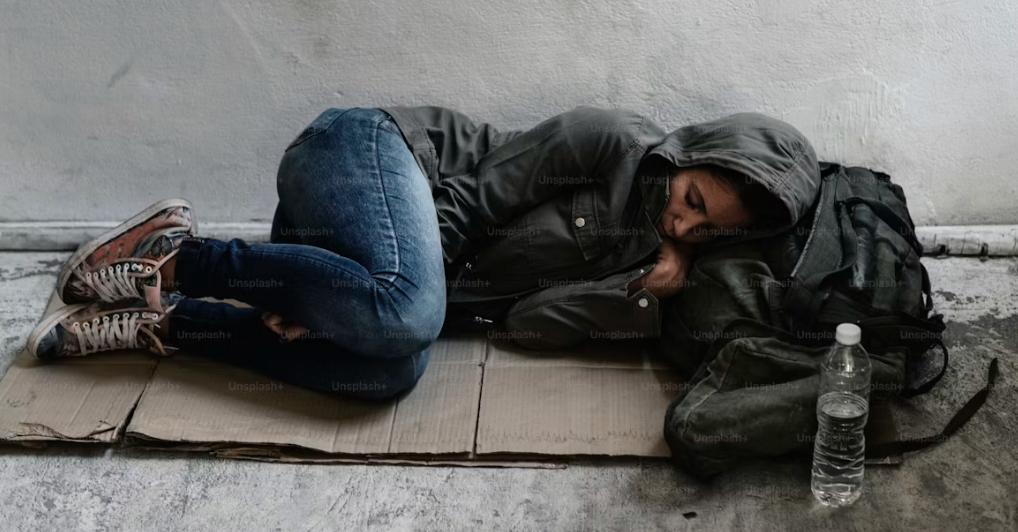
Material Dignity Infrastructure, a proposed alternative to current homelessness strategies, suggests that a dedicated recovery phase prioritizing biological stabilization and nutritional rehabilitation is necessary before long-term housing placement. This model uses converted commercial real estate to create safe, small-scale communal living environments, aiming to address the physical and neurological trauma of chronic homelessness.
While American cities spend billions of dollars on homelessness the visible crisis on the sidewalks continues to worsen every day.
The current political debate is stuck between two ideas where one side demands handing out immediate apartment keys and the other pushes for criminal camping bans. This ongoing gridlock shows that city leaders are failing because they are making a major sequencing error. A new systems model called material dignity infrastructure is the practical alternative. It argues that a physical house cannot heal a biologically collapsed human body without a dedicated recovery phase.
Traditional programs focus on a roof as the single starting point.
Yet statistics reveal that while places like Finland achieve incredibly high housing retention rates the United States frequently drops below forty percent for the street hardened population. The real difference lies in the physical condition of the person walking through the door.
Years of surviving on concrete trigger deep physical and neurological crises where constant trauma fully destroys regular sleep cycles. Placing a profoundly traumatized and medically vulnerable person straight into an isolated apartment frequently leads to extreme anxiety and property failure. This pushes them back out onto the pavement. The material dignity model approaches this issue as a physical design challenge by splitting the recovery process into logical biological steps that begin with physical stabilization.
Before long term housing placement ever occurs the system introduces a mandatory step focused on repairing the human body through universal access to thermal safety and intense nutritional rehabilitation.
To reach the unhoused population effectively the entry point of these facilities operates around the clock with zero behavioral tests. Anyone can walk in to access showers and basic medical care because the design drops the hard rules that force people to abandon their pets or separate from their partners.
Instead of building massive warehouse shelters that people avoid because they are loud and dangerous this model partitions facilities into self governing neighborhoods of one hundred and fifty residents. Sociology proves that this number represents the biological limit of human trust where people can maintain social safety nets and mutual accountability. Within these smaller pods every resident has a locked room and a dedicated peer steward who helps them build the skills required to transition back into civic life.
Funding this model becomes realistic by taking advantage of a major economic shift involving the commercial real estate collapse.
With remote work permanently altering downtown districts many commercial office towers are hitting historic lows and selling at massive discounts. Traditional real estate developers struggle to convert these high rises into luxury apartments because installing individual plumbing and walls for separate units is financially impossible. The material dignity model takes advantage of the wide open floors of these office buildings by converting the existing architecture into modular communal pods. This strategy transforms empty concrete structures into self sustaining public utilities at a fraction of standard construction costs.
Despite the sound math and the biological reasoning behind this idea it has not been adopted because a massive industry of developers and operators profit from managing the ongoing loop of expensive short term shelters. Government bureaucracies are designed to track checkboxes like beds filled rather than complex physical milestones like neurological stabilization or physical recovery.
Modern city hall leadership is tied down by inertia, so a breakthrough will likely require an independent proof of concept funded by a private foundation. Once a single prototype tower proves it can heal street hardened individuals well and affordably the data will speak for itself.
The empty buildings are already standing in our downtown cores.
The design solution is waiting for a new generation of leaders to implement it.