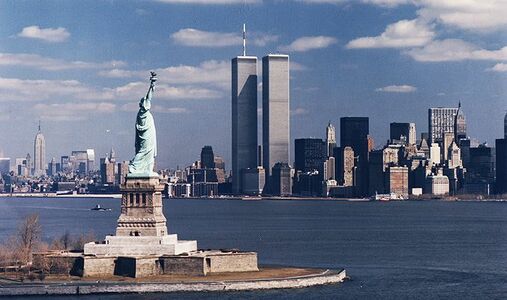

Financial stability is often treated as a permanent feature of modern life. People assume that the banking systems and markets will always function. However, history shows that economic structures are much more fragile than they appear. A financial collapse is not always a sudden explosion. It is [...]
Democracy is a dynamic system for staying strong. It works through the steady renewal of public trust and the fair split of power. Cycle theory states that mature societies face decay during a "Fourth Turning." This phase shows less social cooperation and more internal conflict. Success requires [...]
Death is the primary sign of existential isolation. It is the point where every person must exist as a separate self. This happens apart from social groups and emotional systems. The change is a solitary process. Friends provide social support, but the experience of dying belongs to the individual [...]
Constitutional originalism is a structural commitment to institutional resilience. It works as a fixed anchor for the social contract. This prevents the arbitrary growth of bureaucratic power. The base rules of the system must stay still to ensure long-term stability. This stability allows for the [...]
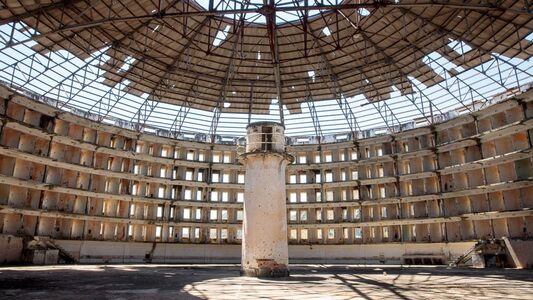
Modern life in Cuba is a unique blend of heritage and social resilience. The country has a very complex political landscape. The government maintains a high level of control over many parts of life. However, recent years have shown a shift toward personal freedoms and economic reforms. Most people [...]
The depth of human consciousness emerges from a combination of lived experiences, personal relationships, and the meaning individuals derive from their unique life journeys. Observation of the differences between an individual who follows a sheltered routine and a person who pursues an adventurous [...]
Nutrition is the management of biological entropy. A living body works as a complex system. It needs constant chemical energy to keep its structure. This need exists because all biological systems naturally decay. Eating provides the raw materials for cellular repair and stability. The rational [...]
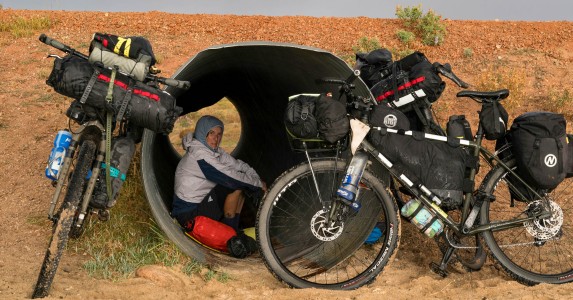
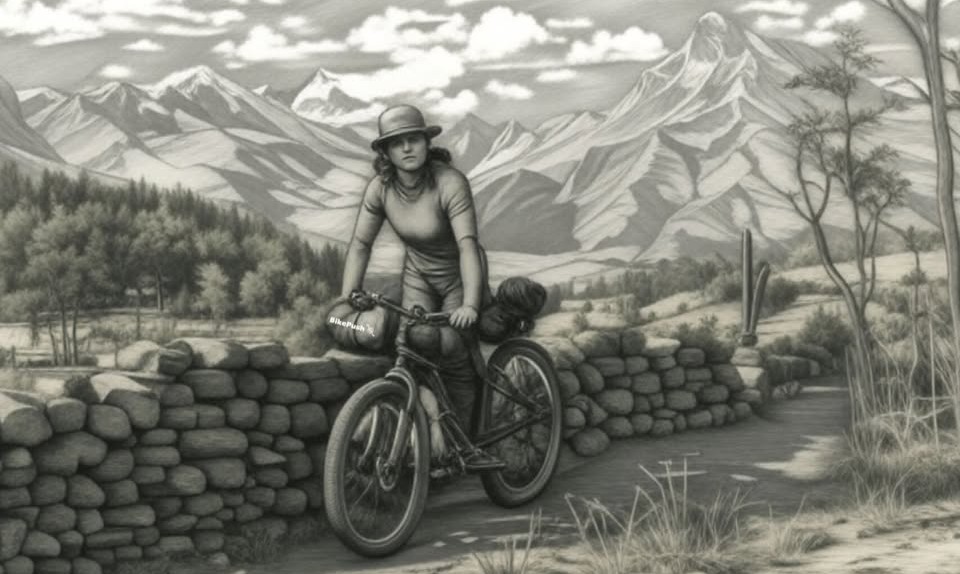
The foundation of nomadic cycling rests on the principle that true freedom stems from the ability to live with fewer possessions. This philosophy of minimalism transforms the bicycle from a simple mode of transport into a sophisticated tool for self-sufficiency and discovery. By prioritizing [...]
A cyclist decides to ride from one coast of America to the other on a five-dollar daily budget. The mission demands careful planning, physical endurance, and creative problem-solving. With a tent and necessary camping gear, the journey becomes possible through discipline and resourcefulness. Each [...]
The era of effortless consumption is concluding. Modern economic stability was previously built on the endless availability of cheap credit and globalized supply chains. As these systems encounter structural limits, the focus of the individual must shift toward localized resilience. [...]
The diagnosis of schizophrenia or schizoaffective disorder generally brings despair. It is often viewed as a life sentence of instability. This fatalism is misplaced. The biological reality of the condition is chronic. However, stability is a constructable state. It is not achieved by luck. It [...]
Modern society often frames bicycle touring as a casual recreational activity, a way to have "fun" on weekends. This perspective misses the profound value of the discipline. Long-distance cycling is a crucible for building resilience, independence, and psychological anti-fragility. It forces the [...]