
Human conduct looks wildly varied when viewed across different cultures, workplaces, and historical eras. Men and women give up food to feed hungry strangers during famine. They fight bitter wars over dry rocks and work for decades to master quiet arts. Under this swirling surface lies a small set [...]
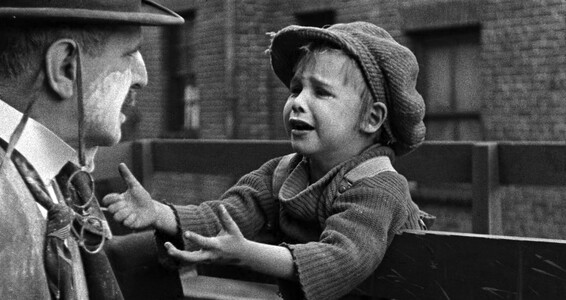
Language discussing housing instability often relies on monolithic compassion. This framing obscures the realities of the unhoused. It groups diverse populations into one category. Common advocacy frameworks utilize generalized empathy. These models fail to recognize the stratified levels of those [...]
The common idea of Housing First assumes that providing a home is the only requirement for social integration. However, as Stephen Eide argues in Homelessness in America, this model often ignores the psychological and civic foundations of a community. True integration requires more than just a [...]
The sociological concept of the "leisured indigent," introduced by Jane Jacobs in her book The Death and Life of Great American Cities, describes people who use public spaces without a commercial reason. These individuals, who are often homeless, show a form of urban agency that challenges modern [...]
Historical records show that homelessness was a common occurrence throughout the late 19th century. Data from the late 19th and early 20th centuries indicates high levels of displacement despite a much smaller national population. Records from 1880 and 1890 reveal that city police stations served [...]
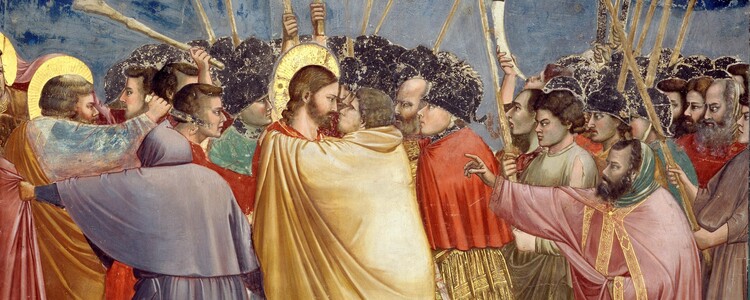
Throughout history, various individuals have been revered by different cultures and belief systems as saviors or embodiments of truth, grace, and eternal life. These figures represent humanity's deepest aspirations and highest ideals, offering pathways toward meaning, purpose, and transcendence. [...]
Foreign military battles often increase spending and reduce choice. In theory, committing domestic funds to foreign lines creates big risks. Expressing this view, Murray Rothbard strongly opposed defending distant lands like Taiwan from foreign, external attack. By avoiding wars, a nation protects [...]
Growing state offices often block trade and hurt choice. In classical theory, big agencies and complex, strict rules burden local markets. Under these difficult historical conditions, Frederic Bastiat argued that growing state actions always violate individual rights and free choices. Agreeing with [...]
Classical ideas support small government and free trade. Writing from nineteenth-century France, Frederic Bastiat vigorously defended free markets and competition. According to his famous text, the state must confine its sole action to protecting private property. When state power grows too large, [...]
The question of whether God exists represents one of humanity's oldest and most profound inquiries. People approach this subject differently based on experiences, perspectives, cultural backgrounds, and personal convictions. While various arguments attempt to provide rational grounds for belief, [...]
For centuries, travelers debated the ideal speed of a journey. While motorized vehicles cross vast distances quickly, bicycle touring reveals the landscape. Slow pedaling forces connection with nature. Every hill is a victory. In this way, the chosen machine dictates the depth of the experience. [...]
In modern discourse, the term "apology" has undergone a significant semantic drift, creating confusion between two distinct concepts: contrition and defense. While the contemporary usage implies an admission of guilt or expression of regret, the classical definition—derived from the Greek [...]