
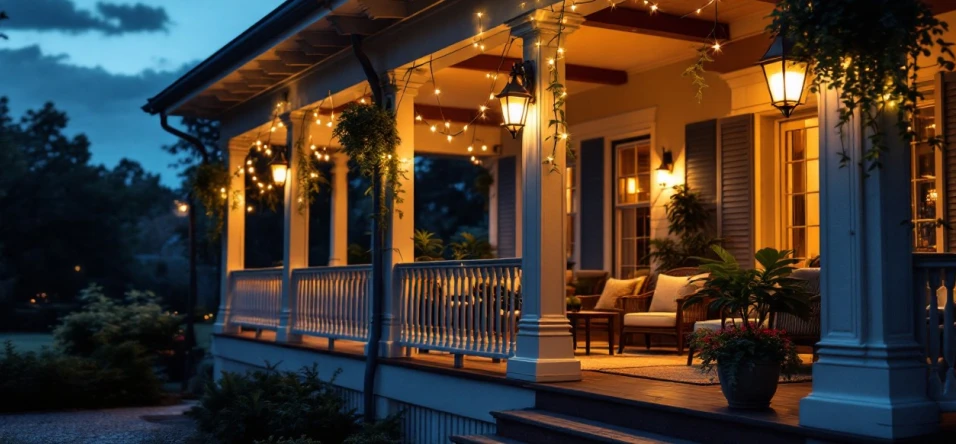
Walking through a neighborhood built before the Second World War feels distinct from navigating a modern subdivision. In historic quarters of cities like Atlanta, Georgia, or Chicago, older wooden houses sit close to sidewalks. A raised front porch spans each facade, complete with rocking chairs and an overhanging roof. At dusk, neighbors sit outdoors, greeting neighbors and watching children play in the street.
The Architecture of Casual Visibility
That open porch served a social purpose beyond interior decoration, acting as a buffer between private household space and public civic life. Homeowners resting on front steps were neither hidden indoors nor exposed on the street. Sitting on the porch signaled approachable availability, allowing passing neighbors to pause for casual conversation or keep walking without awkwardness.
Sociologists studying mid-century cities observed that community trust grew from low-stakes encounters. Knowing who lived down the block required no formal invitations or committee meetings, instead emerging through repeated greetings across railings. When unfamiliar vehicles parked on corners or elderly neighbors failed to collect mail, residents noticed immediately, maintaining watchful care over the street.
The Retreat to the Back Patio
Suburban housing expansion outside cities inverted that layout. Developers eliminated front porches to lower costs and accommodate double garages facing the street. Meanwhile, residential air conditioning enabled families to seal windows and retreat indoors during hot summer evenings, leaving front walks deserted.
For outdoor leisure, builders directed homeowners toward backyard patios enclosed by privacy fencing. That design shift inverted household orientation, moving relaxation from public vantage points overlooking the street into private enclosures. The front facade became a blank wall dominated by vehicle bays, providing no physical platform for casual neighborhood observation or friendly greetings.
The Enclosure of Everyday Life
Television and internet access deepened that inward retreat. In suburban tracts outside cities, commuters press remote buttons to open garages, drive inside, and pull doors closed before stepping outside the vehicle. From that moment forward, daily routines unfold quietly behind insulated drywall and glowing digital monitors.
Social connection migrated from front stoops to digital networks. Commercial marketing promised effortless global connection, yet replacing physical greetings with algorithmic feeds produced a severe paradox. Americans reported more virtual connections than earlier generations, while simultaneously recording record levels of personal loneliness and chronic social anxiety.
Urban planners and researchers examining residential zoning found that setbacks and garage placement governed foot traffic far more than sidewalk dimensions. When houses offer prominent entries and shallow yards, pedestrians feel welcomed along residential corridors. Blank garage doors and wide asphalt aprons communicate that outside human presence is treated as an unwelcome intrusion.
The Street as a Shared Room
In older neighborhoods, outdoor routines created an informal safety net. Children walking home from school saw adults gardening in flowerbeds or reading beneath awnings, providing reassurance without security patrols. Abandoning front porches traded that organic human attention for electronic surveillance cameras mounted above vehicle bays.
The Erosion of Local Trust
Without regular visual familiarity, neighbors slowly turn into strangers, and strangers easily become objects of suspicion. When residents never see each other tending yards or sitting on steps, passing pedestrians trigger alarm rather than warm recognition. Online message boards intended to encourage communication quickly devolve into anxious exchanges reviewing security recordings.
Research across American counties shows community trust depends closely on informal interaction. Greeting each other on sidewalks helps neighbors resolve minor frictions with humor. When communication shifts only to digital apps, trivial parking disputes escalate into feuds because residents lack the goodwill established through casual porch encounters.
Restoring the Human Threshold
Rebuilding social bonds requires no grand reconstruction of suburbs or dismantling of air conditioning. It begins by reclaiming front thresholds where residents place chairs in front yards, plant sidewalk gardens, and choose to sit outside in early evening light.
The front porch was never just decorative carpentry. It represented a physical commitment to surrounding streets, declaring that block residents were neighbors worth knowing. Choosing to sit outdoors may feel unfamiliar initially, but it remains one of the simplest ways to replace digital isolation with lasting human warmth right at the front doorstep.