Cycles of Change

Engineering practical systems and exploring the physical world.

Human history moves in regular waves where public trust rises and falls over long decades. In their studies of American life, William Strauss and Neil Howe charted an eighty-year wave. This long cycle divides history into four distinct turnings. The fourth era brings a time of deep national trial. [...]
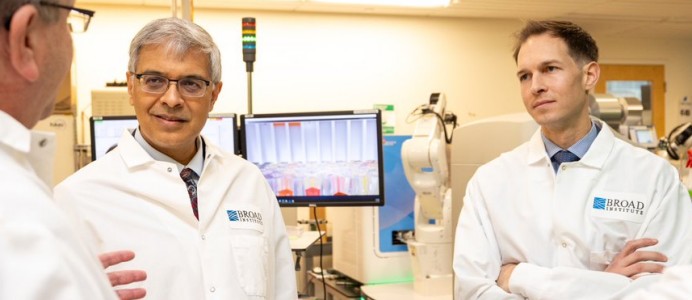
Intellectual freedom serves as a fundamental foundation for democratic societies. It represents the right of individuals to explore, discuss, and challenge diverse viewpoints without institutional suppression. This principle becomes especially visible during public health crises when the stakes for [...]
Mending deep social rifts across modern towns requires rediscovering human worth and mutual respect. Civic care represents a steady devotion to the welfare of neighbors, coworkers, and political rivals. Respect requires recognizing that every human being possesses enduring value, regardless of [...]
Core beliefs and values emerge from a complex intersection of biological instincts and social influences. This foundation shapes the current political division between progressivism and traditionalism. Individuals often find themselves drawn toward one extreme as the middle ground becomes [...]
Urban homelessness remains a persistent crisis in modern cities. Traditional solutions often fail. Large shelters concentrate distress in one area. They create safety concerns for residents and neighbors. Distant work camps remove people from their support networks. They isolate individuals from [...]
In late 1963, Malcolm X spoke to civic leaders in Detroit. He shared an old story from plantation days that reshaped modern politics. He contrasted the enslaved worker kept inside the master's house with the worker sent to open fields. The house worker ate food from the master's kitchen and wore [...]