
When grocery receipts climb at suburban checkout counters, shoppers naturally assume that farmers are pocketing handsome profits. A dozen eggs or a loaf of sourdough bread costs significantly more than it did four years ago. Yet out on county roads across Iowa and Kansas, family growers sit at kitchen tables reviewing bank statements that tell the opposite story. The dollars spent at the retail counter largely disappear into the middle of the supply network long before reaching the field.
The Shrinking Share of the Food Dollar
According to accounts published by the Department of Agriculture, American farmers receive an average of only fifteen cents from every dollar spent on food at retail. The remaining eighty-five cents pays for diesel freight, industrial processing, plastic packaging, marketing campaigns, and corporate grocery margins. When consumer food prices jump twenty-five percent across a few inflationary years, that retail surcharge does not flow back to rural producers.
During supply chain disruptions, the gap between retail prices and farm earnings widens dramatically. Meatpacking plants limit processing runs, causing live cattle and hog prices to plunge at country auctions while steaks and bacon set record prices in city coolers. Producers absorb falling bids for livestock while consumers pay record sums for dinner. Farm operators function as price takers at both ends of their business, buying fuel and fertilizer at retail costs while selling raw grain and livestock at wholesale discounts.
The Weight of Half a Trillion Dollars in Debt
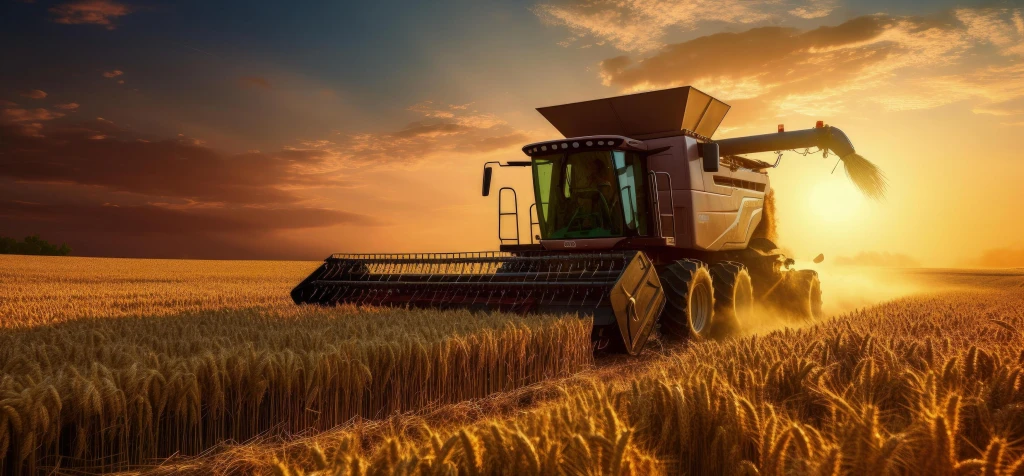
Operating modern farm equipment requires enormous sums of borrowed capital. A new combine harvester or four-wheel-drive tractor carries a price tag exceeding five hundred thousand dollars, equivalent to the cost of a comfortable suburban home. Total farm debt across the United States has climbed past half a trillion dollars, leaving family growers vulnerable to rising interest rates and volatile crop prices.
Between 2021 and 2022, input expenses surged to historic highs. Commercial nitrogen fertilizer, produced through energy-intensive chemical processing tied to natural gas markets, doubled and tripled in price as global energy lines snarled. Diesel fuel for tractors and harvest haulers rose along with crude oil. When crop prices drop while operating loans remain outstanding, growers cannot absorb consecutive lean seasons. Many respond by reducing acreage, planting lower-risk commodity crops, or leaving marginal fields unplanted to preserve cash. These individual financial defenses quietly shave production off the national supply.
The Graying of the American Farm Gate
The people managing American cropland are older than at any point in modern records. Findings from the 2022 Census of Agriculture show that the average age of an American farm producer reached 58.1 years, with the share over sixty-five continuing to climb. In contrast, younger generations increasingly walk away from agricultural careers.
Farming demands physical endurance combined with enormous financial risk. Facing millions of dollars in equipment loans and uncertain weather, young adults choose steady metropolitan paychecks over seventy-hour workweeks in the field. Total farm numbers reflect this generational departure. The census recorded roughly 1.9 million farms in 2022, down from nearly 6.8 million operations during the Great Depression. While total farmland spans 880 million acres, harvested cropland covers approximately 300 million acres. That acreage has steadily concentrated into fewer, larger operations, with nine percent of commercial farms producing the overwhelming majority of total agricultural sales value.
The Vanishing Generation of Practical Knowledge
As older growers retire, valuable agricultural knowledge disappears with them. Decades spent working specific county acreage teach a producer how individual soil parcels drain after spring rains, when local weed varieties emerge, and how to shepherd delicate crops through dry summers. This practical wisdom cannot be downloaded into tractor guidance software or captured in chemical manuals.
The American Farmland Trust estimates that several hundred million acres of farmland will transition ownership over the coming two decades. When retiring growers lack family successors, their land frequently sells to real estate investment funds or suburban developers. Once acreage gets paved over for residential subdivisions or industrial warehouses, that soil leaves agricultural production permanently. When corporate neighbors buy the ground to expand commodity acreage, the intimate soil knowledge built by generations of family stewardship vanishes.
The Precarious Pipeline of Harvest Labor
Specialty crops like fresh vegetables, apples, and berries depend on skilled human hands rather than combines. In apple orchards across central Washington state and citrus groves across Florida, fruit ripens within narrow biological windows. Missing a harvest window by five days turns a crisp crop into rotting windfall.
More than half of all hired crop laborers in labor-intensive sectors are foreign-born, with a substantial portion lacking permanent legal status. American agriculture increasingly struggles to recruit domestic workers for strenuous field work. While the federal guestworker visa program expanded from eighty thousand certified positions to several hundred thousand over the past decade, administrative delays and shifting border rules leave harvest schedules vulnerable. A localized labor shortage means field crops rot unharvested while grocery shelves experience sudden shortages.
Reclaiming the Value of the Field
The economic squeeze on rural producers reveals a deep flaw in modern food production. Efficiency-driven consolidations lowered consumer food prices for decades, but did so by extracting margin from the soil and the people who work it. Independent growers carried the financial risk of weather, disease, and global market swings while capturing almost none of the retail surplus.
Preserving a reliable food supply requires building economic paths that allow family growers to earn living wages from agricultural stewardship. Expanding regional processing hubs, supporting young farmer land access, and patronizing local farm markets return a larger share of the food dollar to rural counties. Recognizing the true cost of food allows society to invest in the growers who feed the nation before economic pressures empty the countryside for good.