
Cycles of Change

Engineering practical systems and exploring the physical world.

Significant transformations in the global financial landscape have altered the methods by which people preserve their earnings. For thousands of years, precious metals such as gold and silver served as the primary measures of stored value. These assets provided a tangible link between physical [...]
The concept of human rights represents the historical unfolding of a specific philosophical and legal consensus regarding the inherent value of the individual. This progression is not linear or inevitable, but reflects a series of cognitive and social revolutions that expanded the definition of who [...]
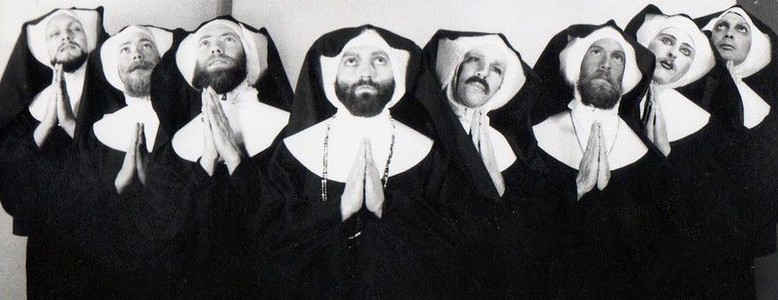
The stability of a pluralistic society depends upon the maintenance of a "sacred canopy," which is a shared system of meaning that provides a sense of cosmic order and social security. A primary threat to this canopy is the institutional encouragement of religious mockery. This converts satire from [...]
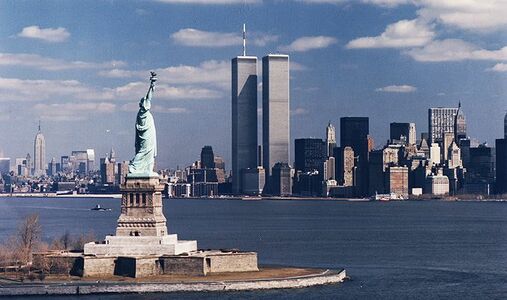
Democracy is a dynamic system for staying strong. It works through the steady renewal of public trust and the fair split of power. Cycle theory states that mature societies face decay during a "Fourth Turning." This phase shows less social cooperation and more internal conflict. Success requires [...]
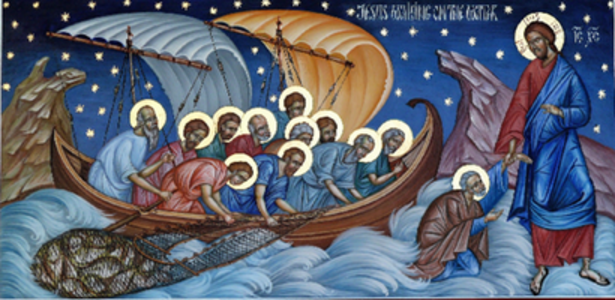
The concept of a being who is simultaneously fully divine and fully human represents one of the most enduring paradoxes in Western philosophy. While primarily a theological doctrine, the "Hypostatic Union" serves as a fascinating case study in metaphysics, epistemology, and classical logic. It [...]
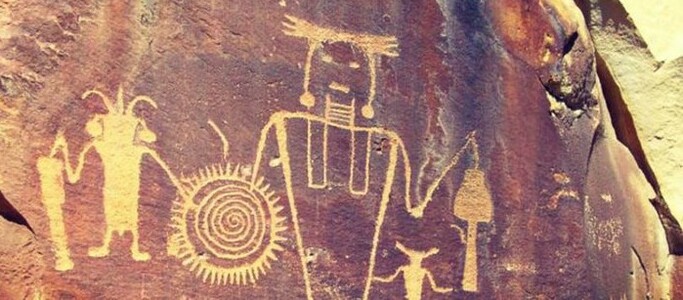
The Hopi people of northeastern Arizona preserve one of the oldest continuous spiritual traditions in North America. Among their teachings, the concept of Koyaanisqatsi stands as a stark warning (Waters, 1963). The word translates directly as "life out of balance." In its complete meaning, it [...]