
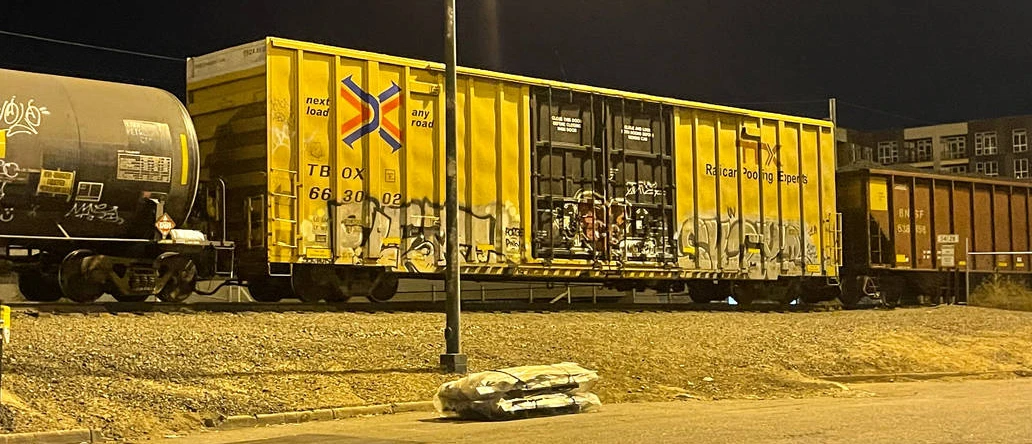
A two-mile string of steel rail cars rolls to an unexpected halt on a remote stretch of track in western Nebraska. Casual observers imagine a broken signal, a blown air hose, or an engine failure. The long line of container boxes and covered grain hoppers stretches back toward the horizon. It sits dark and quiet under the prairie sky. Nothing moves on the rails. No headlights approach from the opposite direction, and the diesel locomotives idle with a low rumble that carries across miles of open scrub grass. Drivers who watch the scene from a neighboring country road assume the pause is accidental.
The stoppage is an outcome of federal labor law. The track ahead remains open, but the two crew members in the lead cab have reached their legal working limit.
The Twelve-Hour Statutory Wall
Congress passed the federal Hours of Service Act in 1907. Codified under Title 49 of the United States Code, the law establishes that freight operating crews cannot work beyond twelve consecutive hours. When that twelfth hour strikes on the cab clock, the engineer and conductor are required to halt their train. They cannot touch the throttle. They cannot release the brakes, even if their engines sit two miles outside a switching yard or block a county road. If winter snow slows relief drivers on regional highways, the train sits motionless on the ballast until relief workers arrive by van.
Long-distance freight runs travel for thousands of miles across journeys lasting four or five days. To manage this distance, rail companies schedule movements around planned pauses. Major carriers divide their tracks into working territories called crew districts. These territories span 150 to 250 miles, planned so a freight run can cross between terminals well before the twelve-hour legal limit expires.
At the boundaries of these districts sit geographic waypoints known across the railroad industry as crew change points. A few change points occupy big metropolitan switching yards like Northtown Yard in Minneapolis or the Canadian National yard in East Joliet. Many more sit in quiet rural outposts like Aliceville, Alabama, or Wendover, Wyoming. At every one of these points, day and night, trains ease down to a crawl or stop on sidings and mainline pass tracks. This predictable industrial pause creates the physical opening that illicit travelers have used for more than a century.
The Shockwaves of Coupler Slack
American folklore paints freight train travel as an easy drift through open country. Old folk songs and road memoirs celebrate this myth. The physical reality inside the rail corridor is harsh, loud, and governed by unyielding physical laws. Freight cars link together with built-in play. Every coupler contains several inches of internal slack, cushioned by steel springs and dampening units that absorb shock during switching runs.
When a train spans 120 cars and weighs 14,000 tons, those small gaps add up to dozens of feet of slack across the full line. Railroad workers call this movement slack action. When the engineer in the lead cab applies resistance brakes or pulls on an uphill grade, the slack runs in or out. It moves in an accordion wave that travels toward the rear at the speed of sound through steel.
A person sitting on an exterior platform experiences this shockwave as a ferocious, unannounced impact. An empty car can jump upward off the tracks, throwing anyone without a white-knuckle grip down into the rocks. When a stopped train prepares to roll, the locomotives jerk the forward cars into motion while the rear cars remain still. By the time the draft shock reaches the eightieth car, the impact hits with the force of a car crash. Experienced riders know that standing up on moving walkways during grade transitions leads to broken bones or death.
The Knuckle and the Crush Zone
The most dangerous physical hazard in freight yards remains the coupling knuckle. Between every set of cars hangs a thick cast-steel jaw that locks into the opposite car, held in place by an internal drop pin. When trains wait on dark sidings, pedestrians and novice travelers often attempt to cross the tracks by climbing over the equipment, stepping across the center knuckle to reach the other side.
That choice has ended hundreds of lives. If an engine miles away shoves a cut of cars to clear a switch, the slack runs out without warning. The steel couplers slam together under hundreds of tons of momentum. A foot resting on the coupler is sheared off in a split second. Experienced rail workers drill an unbending rule into novices, telling them never to step on the drawbar, never to touch the knuckle, and to cross cars only by climbing side ladders and end platforms with three points of contact locked to the grab irons.
Equally dangerous are loaded freight cars carrying industrial commodities. Open-top gondolas filled with scrap iron, steel pipe, or structural lumber look like deep, windproof bunkers to cold travelers waiting in rain. Yet when an emergency brake application occurs, those cargo loads shift forward under momentum. A shift of three feet crushes anything trapped against the end wall. The physical tradecraft of riding rails requires identifying which cars carry fatal hazards and which provide empty niches that protect human bodies from shifting tonnage.
The Porch of the Grainer
The preferred vehicle of the modern rail traveler is the covered grain hopper, known across the network as a grainer. Built to transport wheat, corn, and soy across agricultural belts, modern grain hoppers feature an exterior steel porch tucked beneath the sloping end-wall of the cargo bin. This recessed deck sits two feet above the coupler draft gear, offering a flat surface shielded from wind, rain, and the eyes of railroad special agents.
A rider who crawls onto a grainer porch finds a narrow sanctuary. The sloping steel wall above deflects rain, while exterior ladders provide solid anchor points for lashing packs and gear. Still, life on a grainer demands continuous vigilance. Air hoses snake between cars carrying ninety pounds of compressed air that govern the emergency train brakes. If a loose boot heel snags the air line or knocks open the angle cock, the whole train dumps its air pressure into an emergency stop, throwing every car into hard braking and bringing rail police to the car.
In contrast, specialized container equipment leaves riders exposed. Platforms carrying shipping containers, especially spine cars, feature bare steel beams suspended over the steel rails below. A moment of drowsiness or a slick handhold on a frosty night drops a rider beneath the steel wheels, turning an illegal ride into a fatal statistic.
The Secret Map of the Division Point
The federal twelve-hour limit created a secondary geography across North America that runs parallel to highway routes. In towns that drivers bypass on high-speed interstate lanes, the rail corridor preserves old division points built around water towers and steam boiler maintenance shops from 1910.
These division points operate as windblown yards bordered by chain-link fences, dirt frontage roads, and small yard offices where dispatch boards glow through grease-stained windows. In places like Guernsey, Wyoming, or Gibson City, Illinois, the physical layout of yard tracks and crew change spots forms a hidden logistics grid. The long trains roll in from the coast, slow down to swap operating crews, and accelerate back into the dark, pulling commerce through an invisible legal network etched across the continent.