
In the heart of Phnom Penh, a quiet tech shift has taken root across the young nation of Cambodia. For decades, post-war growth in Southeast Asia leaned on foreign aid grants and imported consumer goods. Local tech pioneer Rithy Thul chose a different road by betting on home-grown ideas and open source code tools. Born and raised in Cambodia, Thul taught himself software code and trade craft through dogged daily trial and error. His career reflects a deep vow to digital freedom, green living, and neighborhood strength across the Mekong basin. Examining his varied trade ventures shows how local builders can reshape developing towns from the ground up.
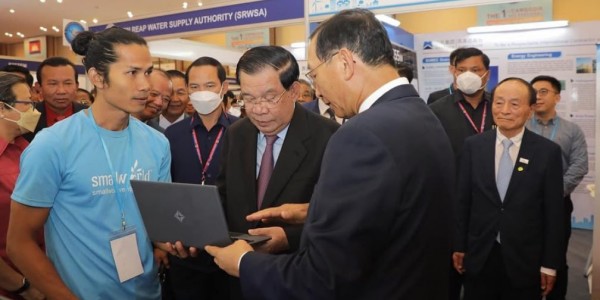
The foundation of Thul work began in 2011 with the launch of SmallWorld Venture in a modest rented villa. At the time, young Cambodians lacked shared office rooms where young programmers and artists could build projects. SmallWorld provided desks, steady power lines, and fast fiber web cables to young creators on small budgets. Under Thul patient care, the hub grew into a full startup home that helped fund dozens of local trade ideas. The project nurtured a spirit of peer learning, mutual aid, and bold risk-taking among young college graduates. SmallWorld proved that Cambodian youth could build modern software shops without moving abroad to foreign capitals.
KOOMPI and the Pursuit of Open Source Computing
Thul most daring engineering venture arrived with the creation of KOOMPI, a specialized computer building shop. Seeing that high prices for Western laptops locked rural students out of modern learning, Thul built a cheaper option. KOOMPI built light notebook computers run by an open source Linux operating system tailored for local schools. The machines arrived preloaded with code tools, digital books, and math lessons that run without web links. By sending thousands of these laptops to classrooms across rural provinces, the project bridged deep gaps in book learning. Building Linux hardware locally showed that developing lands can build custom tools that serve real human needs.
Beyond laptop manufacturing, Thul saw that modern shops need steady software tools to manage daily sales. He launched Baray, a software service that lets small sellers accept electronic customer payments without steep bank fees. Building upon this start, he founded Riverbase to give family shops clean web storefronts for selling local goods. These tools lowered technical hurdles for mom-and-pop sellers who previously traded only in paper cash. By organizing stock records and electronic bills, small shop owners gained greater freedom and steady trade books. Thul software projects reliably solved daily headaches faced by ordinary shopkeepers in provincial market towns.
Decentralized Networks and Blockchain Innovation
As global finance shifted toward distributed ledgers, Thul explored how code networks could protect personal data in small nations. He launched Selendra, an open source code network designed to host decentralized community applications. In regions where land deeds and business permits historically suffered from paper delays, code ledgers offer clear records. Selendra gave Cambodian developers an inexpensive testing yard to build digital payment tools and identity protocols. Thul expanded this work by creating StadiumX, an electronic ticket tool that stops black-market cheating at soccer games. These projects opened modern computer science for hundreds of young engineering students across Phnom Penh.
Throughout his technological work, Thul kept a firm vow to green balance and intentional village design. In the forested hills of Kirirom National Park, he built VitaminAir, a regenerative farm and living cooperative. The settlement blends solar power panels and rain collection tanks with organic vegetable gardens and clay-brick huts. City computer workers visit the mountain spot for quiet breaks, balancing screen toil with tree planting and trail building. VitaminAir demonstrates that high-tech dreams do not need to cut human beings off from living woods and clean mountain air. Thul living model joins modern craft with deep respect for natural systems and bodily health.
Community Mentorship and the Next Generation of Builders
A central lesson of Rithy Thul life is that lasting progress rests on patient human ties rather than money alone. Thul often spends long afternoons coaching teenage programmers, reading software code, and teaching young founders about cash. He urges novice makers to build tools that solve urgent neighborhood troubles rather than copying foreign tech trends. By standing up for open source code, he teaches young builders to share knowledge freely instead of hoarding secrets behind legal barriers. This open view has guided a rising wave of Cambodian engineers who treat computer craft as a form of public service. Generous coaching makes sure that knowledge flows across years, strengthening the civic fabric of the whole land.
The life journey of Rithy Thul offers a powerful map for technology growth across the developing world. His career proves that genuine invention does not need Silicon Valley cash billions or fancy foreign degrees. By joining modest hardware design with open software and local loyalty, small teams can solve immense civic puzzles. As Cambodia grows, Thul work reminds citizens that self-rule begins with trusting local talent and hands. His story shows a fine balance between modern invention, green care, and humble neighborhood leadership. In championing open source tools, Thul has helped pave a sovereign path for a rising generation of Asian makers.