Cycles of Change

Engineering practical systems and exploring the physical world.

Society

Mapping the human network. We explore how culture shapes behavior and what it takes to build strong, resilient communities.

The concept of human rights represents the historical unfolding of a specific philosophical and legal consensus regarding the inherent value of the individual. This progression is not linear or inevitable, but reflects a series of cognitive and social revolutions that expanded the definition of who [...]
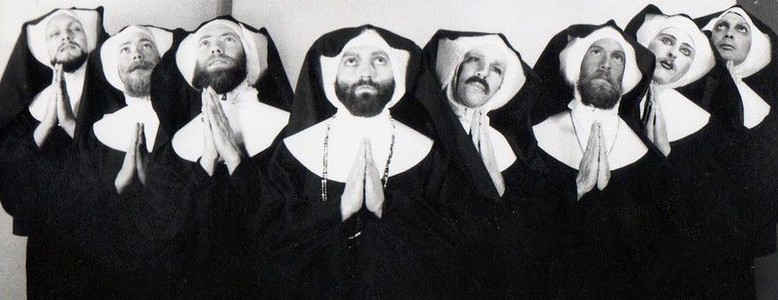
The stability of a pluralistic society depends upon the maintenance of a "sacred canopy," which is a shared system of meaning that provides a sense of cosmic order and social security. A primary threat to this canopy is the institutional encouragement of religious mockery. This converts satire from [...]
Raising children in a fast-paced media climate presents modern parents with unique moral challenges. Young people meet conflicting messages about identity, duty, and truth long before their minds develop mature judgment. Digital screens, classroom debates, and peer groups expose growing youth to [...]
The modern urban environment is a complex and dynamic landscape defined by a high density of variables and a constant flux of human and institutional forces. For the individual inhabiting this space without the protection of traditional domestic structures, the city becomes a field of engagement [...]
Hannah Arendt first introduced the concept of the "banality of evil" during the 1961 trial of Adolf Eichmann. She used this phrase to describe how ordinary people can participate in horrific crimes through simple obedience and an absence of thought. She observed that Eichmann was not a complex [...]
The Housing First model represents progress in addressing homelessness. It prioritizes stable shelter as the primary solution. In communities with limited resources and overwhelming numbers of homeless individuals, providing immediate housing for everyone becomes an impossible task. A more [...]