Cycles of Change

Engineering practical systems and exploring the physical world.

Modern societies often resemble large workshops filled with tools, wires, and moving parts. Governments try to keep these parts aligned, much like a mechanic watching a set of gears that spin faster each year. Many people hope that better data or faster systems can tighten the machinery of public [...]
Complex societies operate through multi-party transactions that require trust to function. When trust degrades, these systems do not fail linearly. They collapse multiplicatively. Understanding this mechanism explains why institutional decay accelerates during periods of social upheaval and why [...]
The historian of 2226 opens archives from two centuries prior and finds a curious phenomenon. The people of 2025-26 believed their moment was unprecedented. They described their conflicts as uniquely intense, their divisions as historically deep, their technological disruptions as fundamentally [...]
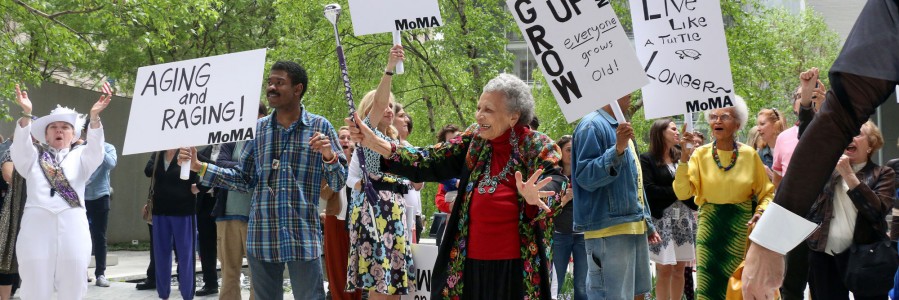
The protest line forms outside city hall. Grey hair dominates the crowd. Signs demand immediate action on issues that have existed for decades. The participants have time, resources, and conviction. They also have something less visible. They carry a track record of absence during the years when [...]
The emergence of a protest often follows a predictable cycle of gathering and documentation. While these events occupy significant space within the news and the public mind, their impact upon actual policy remains quite limited. Participants find a sense of collective purpose, while observers see [...]
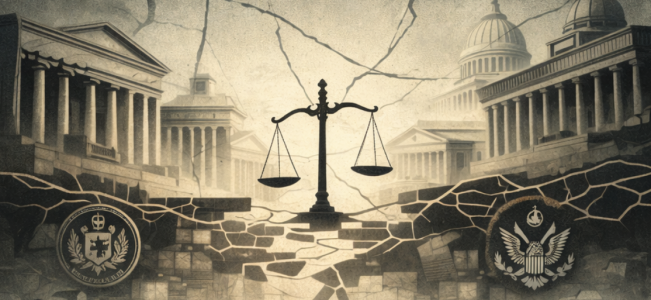
The functionality of a society depends upon the structural integrity of the oversight layers that maintain the boundary between state power and the citizen. These tiers incorporate statutory frameworks, judicial oversight, and specialized institutions that monitor the internal operations of the [...]