
The global shift toward electric vehicles represents a trade of gasoline for electricity and much more. This movement signals a broad change in how people move and interact with technology. Modern transport now focuses on smarter and more flexible systems, while these systems provide sustainable ways to travel and lower the total cost of ownership. Technological progress in battery range and fast charging speeds drives this change. These advances meet the evolving needs of consumers who seek integrated and functional tools for daily life. This switch moves the focus away from pure ownership and toward convenience and smart technology integration.
Lower running costs provide a strong basis for the adoption of electric vehicles. Electricity is often a more affordable power source than fossil fuels. This economic benefit combines with a major reduction in mechanical maintenance. Gas cars require complex engines with hundreds of moving parts. These parts often break or wear out over time. Electric motors are much simpler and have very few moving components. This simplicity means that owners spend less time and money at the repair shop. Reliable data shows that electric vehicles cost less to maintain over a full lifespan.
Large battery packs also allow for smooth and quiet travel. This creates a calm environment which reduces driver fatigue and improves focus. The absence of engine vibration makes a noticeable difference during long trips. Conversations are clearer and the overall stress of driving is lower. Beyond individual savings, these vehicles connect with shared services and local power grids. Many modern models function as luxury mobile power stations. This capability is useful in remote mountain wilderness camps or off-grid locations. A vehicle can serve as a mobile supply unit during emergencies or power outages.
Environmental awareness also shapes the current demand for clean transport. Communities seek to reduce air pollution and noise in urban centres. Electric vehicles produce no tailpipe emissions. This directly improves the air quality in crowded streets and residential garages. Technology also allows for better tracking of individual energy use. This feedback helps drivers learn more efficient ways to travel. Sustainable mobility relies on these tools to balance human needs with the health of the planet. These vehicles also provide a quiet and inconspicuous way to move through urban areas without drawing attention.
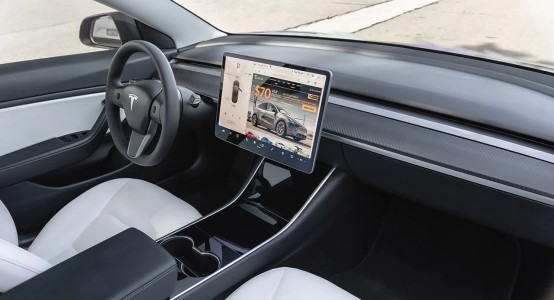
The integration of smart technology turns the vehicle into a sophisticated mobile computer. Sensors and software manage everything from safety tools to energy flow. Wireless updates deliver new features and fix bugs without a visit to a dealer. This connection allows vehicles to link with digital maps and local traffic data in real time. Consumers now expect transport to be as easy to use as a smartphone. The interface in a modern vehicle simplifies complex tasks through large touchscreens. This environment can also function as a mobile office for the digital nomad. A professional appearance is maintained while the individual remains in transit through nature or distant regions.
However, the rapid spread of electric vehicles also raises important questions about equity. Not every community has equal access to high speed charging or affordable electric models. Families in older apartments may lack the ability to charge at home. Some regions provide free public charging stations and solar hubs. Addressing gaps in infrastructure is essential for a fair move toward clean transport. Public investment in charging routes and lower cost models can help bridge this divide. It is important that the transition does not leave low income families behind.
For some individuals, the electric vehicle serves as a small mobile home. This way of life is becoming more common as housing costs rise. The ability to maintain internal climate control with minimal energy use allows for comfortable stays in varied weather. A vehicle remains a vital asset even if a traditional house or apartment is lost. This utility provides a sense of security and autonomy in difficult economic times. Future mobility will include a mix of private ownership and shared services. Peer to peer networks and hospitality based sharing programs may reduce the count of vehicles on the road.
The move toward electric transport is a permanent change in human history. It combines technological innovation with a new understanding of resource use. The focus has moved from the machine itself to the service it provides. Modern mobility offers a seamless experience that blends with work and home life. While challenges remain, the path toward a more efficient and quiet world is now clear. This shift marks the beginning of a new era where technology and sustainability work together. These changes will improve daily life for all citizens as a cleaner future is built together.