Cycles of Change

Engineering practical systems and exploring the physical world.

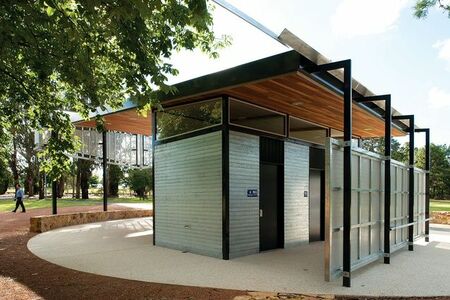
Urban homelessness remains a persistent crisis in modern cities. Traditional solutions often fail. Large shelters concentrate distress in one area. They create safety concerns for residents and neighbors. Distant work camps remove people from their support networks. They isolate individuals from [...]
Modern nations depend on coastal shipping docks to sustain the flow of daily commerce. When work stops along major sea harbors, the ripple effects move fast across home markets. Container ships drop anchor miles offshore, leaving fruit, meat, and dry goods locked inside steel hulls. Factories run [...]
The Housing First model represents progress in addressing homelessness. It prioritizes stable shelter as the primary solution. In communities with limited resources and overwhelming numbers of homeless individuals, providing immediate housing for everyone becomes an impossible task. A more [...]
The architecture of global reserves is reverting to physical settlement. For decades, the US Treasury bond served as the primary instrument of sovereign savings. This era is concluding. In 2024, central banks acquired one thousand and forty-five metric tons of gold. This marks the third consecutive [...]
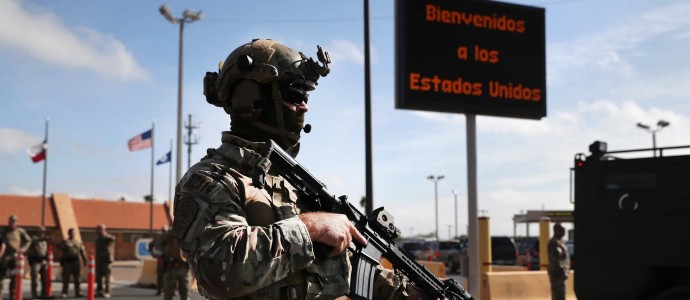
National borders are a critical to national security, and they are the valves of a nation's economy. Since 2020, the United States has operated under a policy of high-volume entry that has changed the social fabric. While encounters at the southwest border dropped by seventy-seven per cent in late [...]
Economic history is defined by the expansion and contraction of credit. This sequence forms a multi-decade debt super cycle. The process typically unfolds over seventy to one hundred years. It moves from a period of sound money and low debt to a terminal phase of catastrophic liability. The system [...]