
Selecting an expedition electric bicycle is only the first step in preparing for self-supported touring. Once you possess a reliable Class 1 machine, practical survivability depends on outfitting decisions made before departing the driveway.
Long-distance e-bike touring introduces acute mechanical and security challenges unfamiliar to traditional cycle tourists. A sixty-five-pound rig loaded with camping gear, electronics, and a high-capacity lithium battery attracts intense scrutiny at rural trailheads and small-town grocery stops. At the same time, riding forty to seventy miles a day requires solving painful hand numbness, managing daily wall-charging logistics, and preparing for tire failures hundreds of miles from modern bicycle shops.
Range Optimization and the Ten-Mile-Per-Hour Pace
The most common anxiety among touring riders is battery exhaustion in remote terrain. While manufacturers publish theoretical ranges exceeding seventy miles, real-world expedition loads rapidly deplete lithium cells when ridden at high speeds.
Aerodynamic drag is the primary consumer of electrical energy. Air resistance increases with the square of your velocity. Propelling an upright touring bicycle with bulky panniers at twenty miles per hour requires approximately four times the mechanical wattage needed to travel at ten miles per hour.
Riding at a relaxed cruising speed of ten to twelve miles per hour dramatically alters battery physics. In Eco mode, where the mid-drive motor contributes forty to sixty percent assist on top of human effort, electrical consumption drops to six to eight watt-hours per mile on flat gravel rail-trails.
Under these parameters, a standard 750-watt-hour battery pack easily delivers ninety to one hundred twenty miles of continuous range on a single charge. This operating envelope eliminates the necessity of hauling a heavy second battery. Conserving power through disciplined pace allows the rider to complete full expedition days while finishing with twenty to thirty percent reserve capacity.
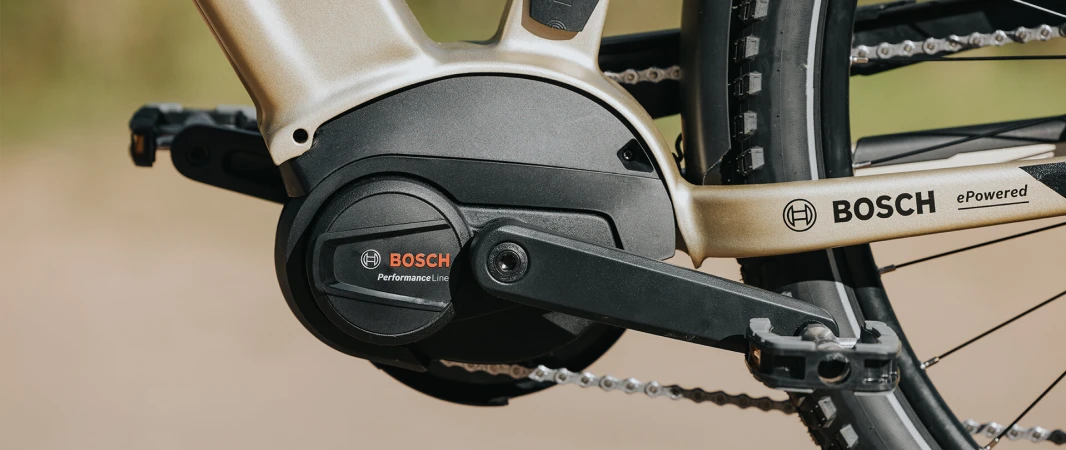
Charging logistics require identical discipline. A standard four-amp Bosch or Shimano charger weighs approximately 1.7 pounds and occupies the physical volume of a hardback book inside a rear pannier. Depleted 750-watt-hour packs require roughly five to six hours to reach full charge from a standard 110-volt wall outlet. Carrying an ultra-compact two-amp travel charger saves half a pound of weight, but it doubles charging time to ten or twelve hours, making overnight replenishment in motels or campground pavilions precarious. Packing the four-amp unit represents the optimal compromise between transit weight and turnaround speed.
Cockpit Ergonomics and Multi-Position Butterfly Bars
Stock flat handlebars fitted to most modern electric mountain and trekking bikes are engineered for technical trail maneuvering, not six-hour touring days. Holding wrists in a static ninety-degree pronated position concentrates pressure on the ulnar and median nerves, causing acute palm numbness, wrist tendonitis, and shoulder tension within three days of continuous travel.
Replacing straight handlebars with European-style butterfly or trekking bars provides four distinct hand positions. The outer lateral grips allow a relaxed upright posture that opens the chest on easy rail-trail cruises. The forward reach position lowers your torso into head winds, reducing aerodynamic drag. The rear inward grips shift weight off your palms during long descents.
Retrofitting butterfly bars onto an electric touring bike requires checking three mechanical variables:
First, confirm stem clamp diameter. Most modern mid-drive e-bikes feature a 31.8-millimeter handlebar clamp. Trekking bars like the Ergotec Contest are produced in both 25.4-millimeter and 31.8-millimeter standards. Selecting a 31.8-millimeter bar eliminates the need for problematic shims.
Second, audit control cable lengths. Transferring hydraulic brake levers, trigger shifters, and motor display controllers to a wide multi-position bar requires three to four inches of additional housing slack. If factory hydraulic brake hoses were trimmed tightly by the manufacturer, installing butterfly bars will require bleeding the brakes and installing longer hoses.
Third, accommodate the dropper post remote and motor interface. A touring cockpit must maintain effortless thumb access to the motor assist toggles and the dropper seatpost remote without requiring your hands to abandon the primary braking position.
Emergency Wheel and Tire Logistics in Rural Corridors
Tire failure on an expedition e-bike is fundamentally different from a flat on an acoustic gravel bike. Lifting a seventy-pound machine loaded with gear to repair a rear tube on the shoulder of a remote highway requires significant physical exertion.
Wheel standards heavily influence field serviceability. Many premier electric tourers roll on 27.5-inch wheels (584-millimeter ISO standard) running 2.0-inch to 2.4-inch tires with thru-axles. Older touring traditionalists often search for 700c (622-millimeter ISO) wheels. While a 700c rim rolls efficiently, 27.5-inch mountain bike tires are far more accessible in rural American corridors.
If you suffer a catastrophic sidewall blowout near a small agricultural town, finding an independent bicycle shop stocking high-grade puncture-resistant 700c touring tires is unlikely. However, general retailers like Walmart and farm supply stores consistently stock 27.5 x 2.0-inch replacement mountain bike tires. A budget knobby tire will fit your frame clearances and carry your rig safely to the next metropolitan area.
The valve stem presents an unexpected hazard. High-end e-bike rims are drilled exclusively for narrow Presta valves. Rural general retailers almost exclusively stock standard Schrader tubes. To prevent being stranded by a valve incompatibility, tourers must carry two dedicated spare 27.5-inch Presta tubes in their panniers alongside a pair of brass screw-on Schrader-to-Presta valve adapters.
Expedition Security Architecture: The Five-Tier Defense Protocol
High-value mid-drive electric bicycles face aggressive theft threats. Cordless 18-volt angle grinders equipped with diamond cutoff blades can slice through standard tubular steel U-locks in under thirty seconds. Protecting a multi-thousand-dollar investment requires an integrated multi-tier defense architecture.
| Defense Layer | Hardware and Technology | Attack Resistance Profile | Operational Function |
|---|---|---|---|
| Tier 1: Digital Immobilizer | Bosch Kiox 300 / 500 Display Removal | Firmware Motor Lockdown | Disables electric drive; sounds alarm if moved |
| Tier 2: Primary Physical Lock | Litelok X1 or Hiplok D1000 | Graphene Ceramic Anti-Grinder Core | Destroys multiple diamond cutoff wheels; 10+ min breach |
| Tier 3: Frame Ring Cafe Lock | Abus 5750L Shield with Plug-in Chain | Rapid Shackle Immobilization | Locks rear wheel instantly during 2-minute cafe stops |
| Tier 4: Motion Alarm & Dual GPS | Knog Scout Siren + Concealed AirTag | 110 dB Acoustic Siren & Stealth Beacon | Piercing audio warning; trackable via cellular and mesh |
| Tier 5: Component Coded Locks | Hexlox Coded Magnetic Bolt Fasteners | Prevents Allen Key Component Removal | Protects saddle, dropper post, wheels, and calipers |
Digital motor locking serves as the foundational barrier. Removing the digital display from its handlebar mount automatically disables motor firmware. The bicycle can still be pedaled as a heavy mechanical vehicle, but the drive unit delivers zero electrical assist and refuses to pair with unauthorized displays.
Physical locking requires advanced metallurgy. A high-security touring kit must center around an angle-grinder resistant D-lock incorporating graphene or ceramic composite coatings, such as the Litelok X1 or Hiplok D1000. These materials actively degrade spinning abrasive wheels, requiring thieves to consume multiple cutting discs and battery packs to breach the shackle.
For brief grocery or bakery stops, a frame-mounted cafe ring lock permanently bolted to the seat stays secures the rear wheel in two seconds. Plugging an auxiliary hardened steel loop chain into the frame lock allows tethering the bicycle to a post using a single key.
Audible alarms and redundant trackers deter professional thieves before cutting begins. A motion-activated 110-decibel alarm mounted under the bottle cage emits a piercing siren if the panniers or frame are disturbed. Pairing this siren with a secondary tracking beacon concealed inside the fork steerer tube or taillight provides location tracking. For high-risk touring, modifying an AirTag by disconnecting its internal speaker disc prevents thieves from locating the tracker using smartphone chimes.
Protecting expensive sub-assemblies requires coded hardware. Replacing standard thru-axle levers and seatpost collars with Hexlox magnetic inserts blocks Allen keys, stopping opportunistic roadside stripping of saddles, dropper posts, and disc calipers. Finally, wrapping high-contrast brand decals in matte black protective tape conceals high-value logos while shielding paint from pannier rub.
Agreed-Value Insurance Logistics
Even the most thorough physical lock system cannot eliminate every catastrophic loss. Relying on standard homeowners or renters insurance policies creates a dangerous false sense of security.
Most homeowner policies explicitly exclude motorized vehicles or impose strict limits of five hundred to one thousand dollars on bicycle claims. Furthermore, filing a claim against a homeowners policy risks deductible penalties and future premium surcharges.
Expedition tourers should secure dedicated e-bike insurance through specialized underwriters like Velosurance or Markel. These policies provide agreed-value coverage, paying out the full stated replacement value without depreciation deductions.
Priced between fifteen and twenty-two dollars per month for a typical thirty-five hundred to six thousand dollar touring machine, comprehensive e-bike coverage protects against theft from trailheads, transit damage during train or airline flights, crash damage, and vandalism. Crucially, these policies include nationwide roadside assistance, dispatching emergency transport if you suffer an unrepairable mechanical failure in remote territory.
The Systematic Preparation Blueprint
Equipping an electric bicycle for long-distance expedition touring requires harmonizing human endurance with mechanical reliability. By disciplining your cruising pace to ten miles per hour, retrofitting multi-position handlebars, carrying compatible tire hardware, and deploying a layered five-tier security defense, you turn an intimidating mechanical platform into an unstoppable exploration vehicle.
To review our comparative engineering teardown of top motor architectures, frame standover geometry, and certified pre-owned sourcing strategies, consult our foundation guide: The Ultimate Electric Touring Bicycle: A Field Guide to Class One Reliability and the Used Market.