
Every year, thousands of retirees move to Cambodia. They come for the warm river towns, cheap rent, and the dignity of living well on a modest pension. In towns like Siem Reap and Kampot, an older adult can rent a sunny apartment, walk to local markets, and sit in open cafes without the cold weather or high costs of Western nursing homes. Daily life moves at an easy pace. Rented motorbikes hum down riverside streets, ceiling fans turn against the midday heat, and neighbors smile politely. For people who spent decades working hard, this peaceful retreat feels like a hard-won reward.
Yet this quiet independence has a hidden danger that few think about when they unpack their bags. Moving halfway around the world cuts the everyday safety nets people take for granted back home. When you live alone down a quiet alleyway, privacy can turn into sudden isolation. A slip on wet bathroom tiles, a bad reaction to new medicine, or a sudden fever can turn an apartment into a trap. Without nearby family or coworkers to notice an empty chair, a person in trouble has no way to call for help.
The Silent Latency of Distance
Back home, everyday routines protect us. If a worker misses two shifts, the boss calls. If an older parent stops picking up the phone, a daughter drives over after dinner. Mail carriers notice uncollected letters in the porch box, while neighbors notice dark windows at night. These simple habits form an invisible neighborhood watch. Across oceans and time zones, those daily safety checks vanish, leaving foreign seniors living on an island of silence.
Adult children in London, Toronto, or Sydney assume no news is good news, especially when mom or dad sounds happy on their Sunday video call. But if someone falls on Monday morning, nearly a week passes before anyone starts to worry. When calls go unanswered, distant families hit a wall. They rarely have the landlord’s phone number, the street address in Khmer, or the contact for a local friend who holds a spare key. In that agonizing gap, a treatable accident can turn into a tragedy.
This delay is dangerous because doctors can fix broken hips, dehydration, and infections only if help arrives quickly. The sad stories shared on expat forums rarely come from exotic diseases. They happen because injured seniors stay trapped on bedroom floors behind locked doors for days, unable to reach a phone or shout through concrete walls.
The Limits of Reactive Responders
Families often assume local emergency crews will step in. But municipal services in developing countries only respond after someone dials the phone with a clear street address. In busy cities like Phnom Penh and Siem Reap, local clinics and ambulances run on tight budgets. Paramedics do not patrol residential alleys looking for quiet houses, and police do not check in on foreign tenants.
Public rescue services need a phone call before rolling trucks out of the garage. If an occupant falls unconscious before reaching a phone, the outside world has no idea anything is wrong. Private clinics in Phnom Penh offer excellent care once a patient arrives at the front door. Yet they cannot cross town to check on an uncommunicative senior. The missing link is someone checking that you are on your feet each morning.
Human Verification as Civic Infrastructure
Solving this does not require nursing home rules or webcams watching your living room. Nobody wants cameras tracking their private routine. True peace of mind comes from simple human routines built on predictable schedules and mutual respect.
Under the community check-in model developed in Siem Reap, a member chooses a preferred morning contact, like a quick messaging app reply or a short phone call. If you answer, your day continues uninterrupted. If your morning window closes without a reply, the team takes immediate action instead of letting days slip by. Organizers call your phone, contact your designated emergency contact, and coordinate with local property managers to knock on your door within hours. This simple daily habit creates a dependable lifeline for pennies a day.
The value of a regular check-in rests on simple consistency. When an older expat knows someone will knock on their door if they miss a morning call, the background fear of living alone disappears. That reliability lets retirees enjoy their freedom without carrying the quiet worry of being forgotten.
From Alert Triggers to Clinical Convalescence
A good safety network clearly separates daily check-ins from hands-on medical care. A morning text message serves as a tripwire, catching accidents before dehydration or shock set in.
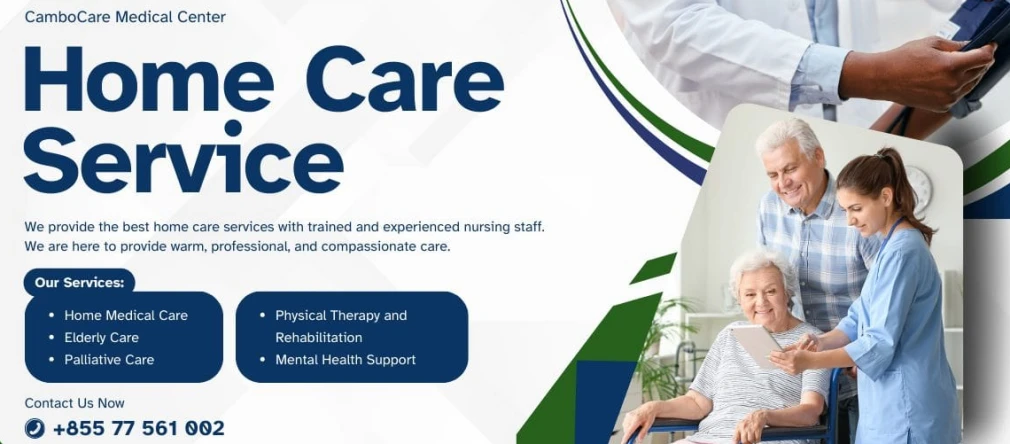
Yet when an injury happens or someone leaves the hospital after surgery, a phone call is no longer enough. To solve this problem, home healthcare has expanded through METTA Compassionate Care, directed by Dr. Laim Len in Siem Reap. When a retiree needs wound dressings, physical therapy walks, or daily medication tracking, Dr. Len Laim and his team of English-speaking caregivers step in. For families living oceans away, this provides continuous bedside nursing and daily photo updates, keeping loved ones safe in their own homes.
Preserving Dignity in Later Years
Aging with dignity means keeping your freedom while staying safe. Many seniors move abroad because they dislike rigid nursing home schedules and institutional meals back home. In Southeast Asia, older adults choose their own daily routines, cook their favorite foods, and keep their private independence well into their seventies and eighties.
Holding onto that freedom does not mean pretending accidents never happen. Every body slows down with time. The smart answer is neither giving up your independence nor ignoring real risks. By pairing independent living with a dependable morning check-in and local medical support, retirees keep the life they love with the peace of mind they deserve.