Cycles of Change

Knowledge - Spirit - Culture - Growth

Cities have battled homelessness for decades. Their efforts remain tangible and funding sources are reliable and accessible. Workers in this field care about their results. Yet, the number of individuals on the street does not decline. In many cities, it continues to rise. Series: Urban Survival — [...]
The body on the street is unstable. It shifts and it advances in one direction at a steady pace. Researchers and physicians have documented its stages. They can now describe this movement with a clock. Series: Urban Survival — The Spiral That Nobody Stops — Part 2 of 11 This is not a gradual [...]
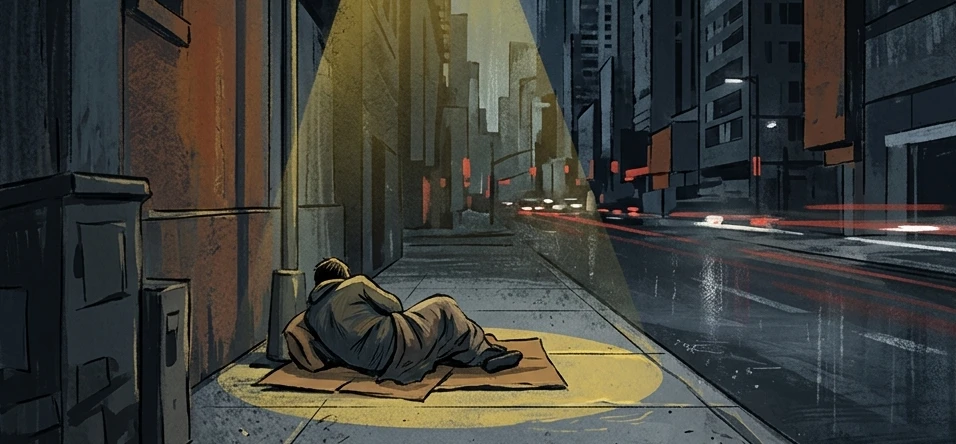
Stand on any major street in a large city and look carefully at the pavement. Check near a building entrance, a freeway underpass, or a sheltered public park corner. There is a person there and they are lying on concrete. They have been lying on concrete for a long time. Series: Urban Survival — [...]
In July 2025, the Trump administration signed an executive order titled "Ending Crime and Disorder on America's Streets." The order redirected $100 million toward a program called STREETS, which funds urban camping bans, law enforcement training for mental health crisis response, and expanded [...]
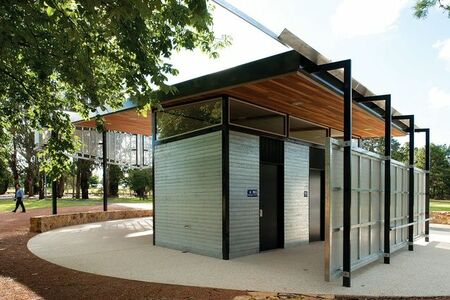
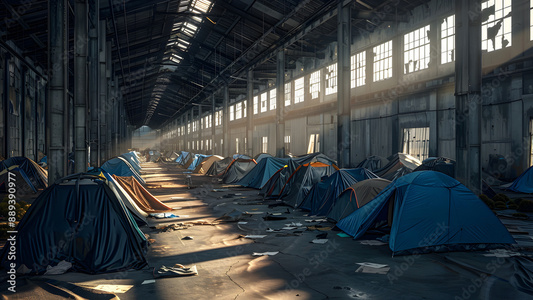
A capital reallocation framework that reclaims distressed commercial real estate to create a sustainable pipeline for rehousing individuals experiencing homelessness. Converting vacant structures into Material Dignity Infrastructure neutralizes municipal financial drains and restores public health. [...]
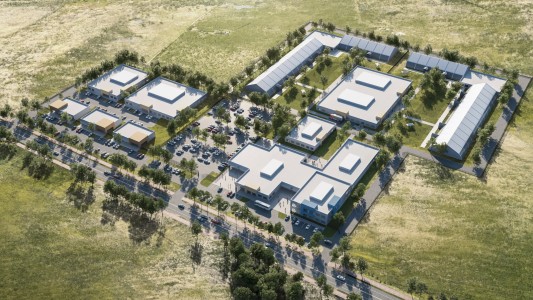
In September 2025, Utah announced plans for a 1,300-bed facility near the Salt Lake City International Airport to serve as the state's primary homelessness response. Governor Spencer Cox called it a "transformation." The Cicero Institute, a Texas-based think tank that has advised more than a dozen [...]
Once, space had purpose before it had price. A bench in a park was a public good. A church basement was a refuge. A patch of land could host a shack, a garden, or a dream. But as cities grew and property law evolved under financial logic, every square foot became an asset. Not a part of the earth [...]
The experience of economic instability for families often involves a progressive erosion of personal agency and social standing. As the gap between housing costs and stagnant wages widens, many household units find themselves on the precipice of homelessness. In this precarious state, the [...]
Urban homelessness remains a persistent crisis in modern cities. Traditional solutions often fail. Large shelters concentrate distress in one area. They create safety concerns for residents and neighbors. Distant work camps remove people from their support networks. They isolate individuals from [...]
The Housing First model represents progress in addressing homelessness. It prioritizes stable shelter as the primary solution. In communities with limited resources and overwhelming numbers of homeless individuals, providing immediate housing for everyone becomes an impossible task. A more [...]
The persistence of chronic homelessness reveals deep fractures within the social and economic systems of developed nations. Traditional interventions, often characterized by centralized shelters and prescriptive social services, frequently fail to address the underlying erosion of personal agency [...]
Abandoned homeless camps create problems that reach beyond the immediate issue of homelessness itself. These sites, often hidden in brush or along rivers, collect waste that harms local environments and creates real health risks for everyone in the area. The environmental damage follows clear [...]